
Fresno hospitals using ‘eyeprints’ for patient ID

Each time a patient registers for an appointment, a quick photo will be taken to match with the one on file


Some Fresno, Calif., healthcare facilities are using ‘eyeprints’ for patient ID, according to an article on the Fresno Bee website.

Each time a patient registers for an appointment at a Community Regional Medical Center, a quick photo will be taken to match with the one on file.

The hospital system began a pilot program using the software technology three months ago. By June, the technology could be standard at most registration sites.

But not everyone sees biometrics as a benefit for patients. Consumer advocates and healthcare law experts are concerned about patient privacy and about the information being vulnerable to cyberthreats.

Read the article.


May 26, 2017


Topic Area: Security


Recent Posts

Emergency Preparedness: Building a Stronger Community

Professional memberships offer a convenient way to access practical resources, stay current on critical changes and learn from peers.


Ground Broken on Lavine Bekenstein Cancer Hospital in Massachusetts

The 450,000-square-foot facility will feature 300 inpatient beds across ten floors and has been designed specifically around the needs of people with cancer and their families.


Camden-on-Gauley Medical Center Reports Data Security Incident

They are conducting a full review of the affected files to determine what information related to their patients, if any, was contained within.


Elevating EVS Professionals: The Case for Certified Hygiene Specialists
Workers cleaning patient rooms are not simply improving appearance. They are reducing bioburden and protecting human health.


Global Handwashing Day and the Importance of Well-Maintained Restrooms

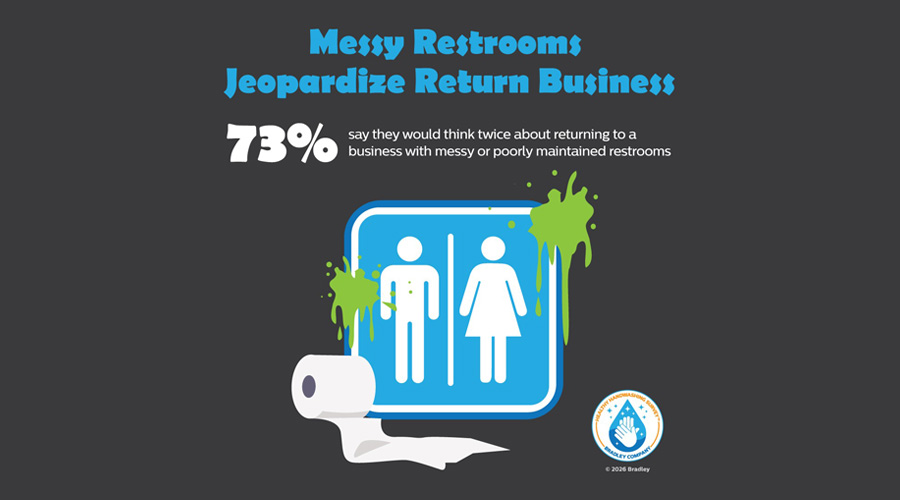
A recent handwashing survey found that Americans value clean restrooms and touchless fixtures.


FREE Newsletter Signup Form

News & Updates | Webcast Alerts
Building Technologies | & More!


All fields are required. This site is protected by reCAPTCHA and the Google Privacy Policy and Terms of Service apply.