
More than one-third of the passenger and freight elevators inside Doctors, Trinity and University hospitals, and on the Georgia Regents Health System campus, had at least one violation last year, according to an article on the Augusta Chronicle.
According to an annual inspection report from the state Insurance and Safety Fire Commissioner’s office, the violations included broken alarms and door-open buttons, faulty backup battery systems, overdue weight and fire extinguisher tests, and defective hardware that prevented doors from closing.
All the elevators passed inspection, but of the 43 with violations, more than half, 25, had multiple problems, with the most common issue being missing emergency-rescue, fire-service and machine-room keys in 24 cars, the article said.
Among the most urgent fixes were at University Hospital, which had 19 of its 34 elevators flagged for violations last month during a weeklong inspection.
 Extreme Weather: The Maintenance-Resilience Link
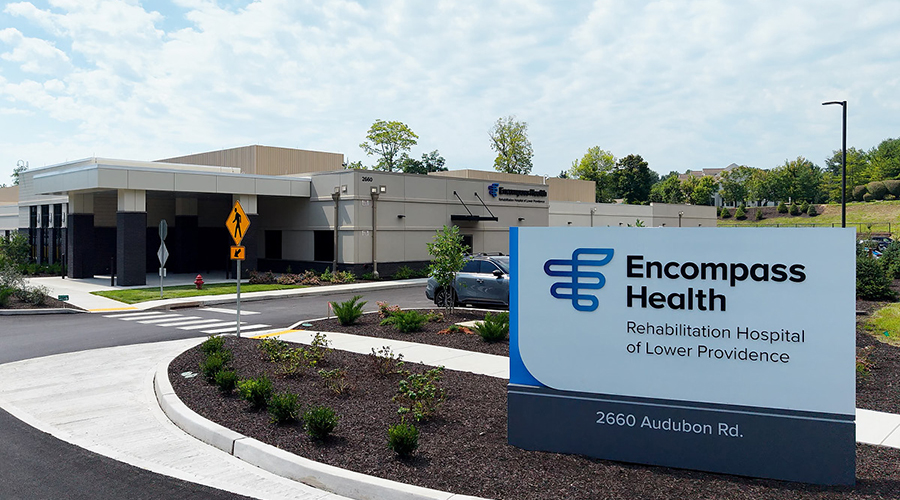 Encompass Health Lower Providence Opens in Pennsylvania
 Intermountain Health Acquires Fairbourne Building for Healthcare Hub and Medical Campus Conversion
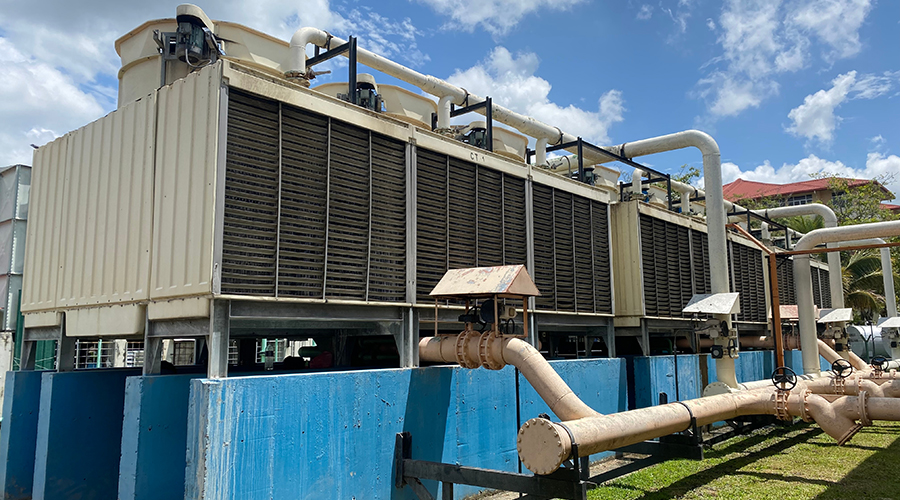 Cooling Towers at NYC Health + Hospitals/Lincoln Test Positive for Legionella
 Prefabricated Wall Panels Accelerate UCF Lake Nona Medical Center Construction