
The cost of healthcare is high and getting higher, and costs related to the treatment of diseases such as cancer are even higher. Often overlooked in the true costs of treatment is a seemingly run-of-the-mill component of facility operations — parking.
Long a source of frustration for patients, the cost of parking while in cancer treatment is finally drawing national scrutiny from oncology researchers and even some hospital administrators, according to Kaiser Health News.
Dr. Fumiko Chino, a radiation oncologist at Memorial Sloan Kettering Cancer Center in New York who studies what she calls the financial toxicity of cancer treatment, including costs not covered by insurance, such as parking fees, which can be as high as $15 to $18 per visit.
Public transit is possible for some cancer patients in larger cities but not for those too ill or immunocompromised. Others have accessibility issues. Many must travel to get care, making driving the best option.
 Extreme Weather: The Maintenance-Resilience Link
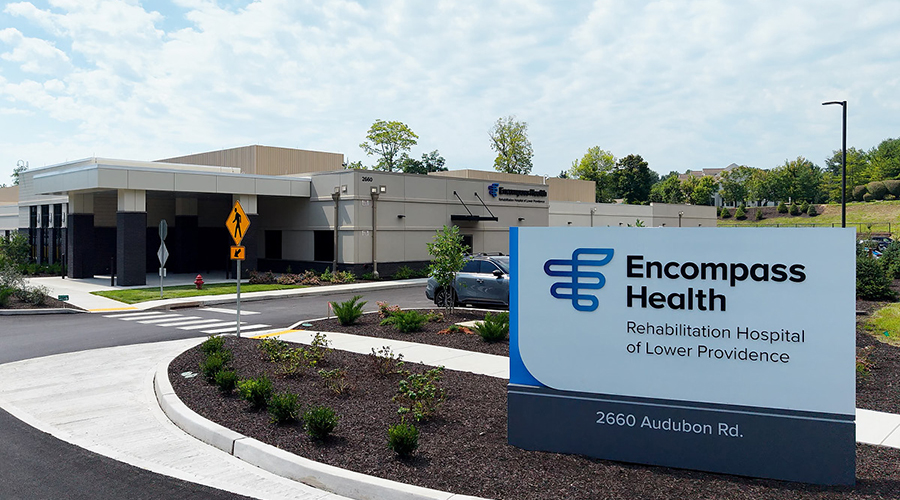 Encompass Health Lower Providence Opens in Pennsylvania
 Intermountain Health Acquires Fairbourne Building for Healthcare Hub and Medical Campus Conversion
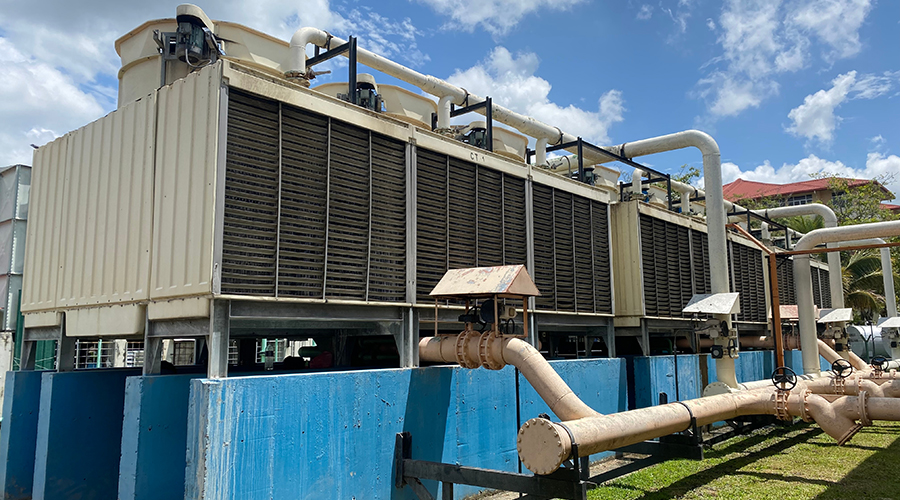 Cooling Towers at NYC Health + Hospitals/Lincoln Test Positive for Legionella
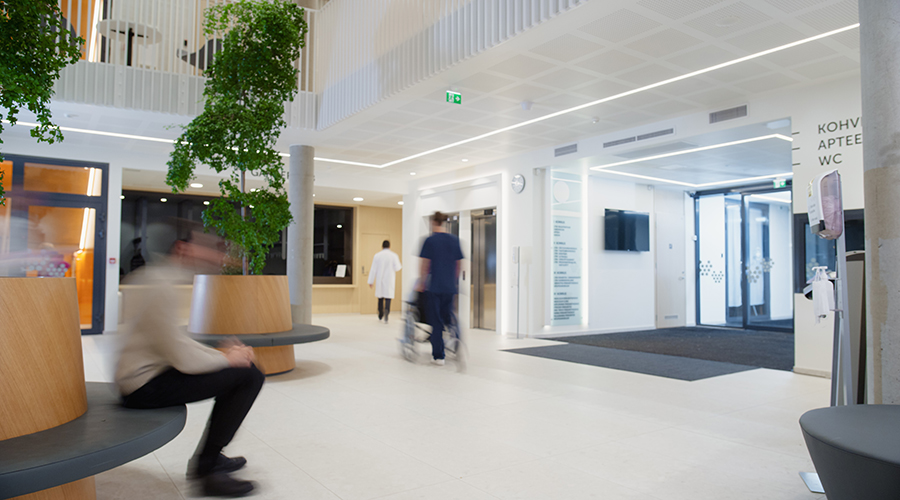 Prefabricated Wall Panels Accelerate UCF Lake Nona Medical Center Construction