
Recommendations on staying safe from COVID-19 have changed in recent weeks, with the use of face coverings and masks still the best approach. With hospitals and other healthcare facilities bracing for the BA.2 variant, some managers are taking necessary precautions to ensure the safety of patients and staff.
Despite the growing threat, the federal government's nationwide mask mandate for public transit, commercial flights and transportation hubs was recently struck down by a federal judge. In mid-flight, airlines announced that passengers were free to remove their masks because they were no longer mandatory.
Some hospitals also are changing their masking requirements. Houston Methodist Hospital no longer requires visitors to wear masks within its facilities, opting for a more relaxed approached. In addition, masks are now optional for most patients, visitors and fully vaccinated United Health team members in Iowa. Both locations recommend masking for individuals experiencing respiratory symptoms, have had a known COVID-19 exposure in the last 10 days, have tested positive for COVID-19 within the last 10 days, are immunocompromised or are not fully vaccinated.
The Centers for Disease Control and Prevention had recommended that everyone over the age of two wear a face mask when in a public indoor setting based on risk of transmission of the virus. The masking requirements were identified in three stages:
Low:
- Wear a mask based on personal preference.
Medium:
- Wear a mask if you are immunocompromised or high risk
- Wear a mask if you live with or have social contact with someone that is high risk for severe illness.
High:
- Wear a well-fitting mask indoors in public, regardless of vaccination status or individual risk
- Wear a mask if you are immunocompromised or at high risk for severe illness.
This is not the first time that masking requirements have drastically shifted. Earlier this year when Omicron was the dominant variant, N95-style face masks were the most recommended to control the spread. Some hospitals even required that patients and visitors wear surgical or procedural masks, foregoing reusable cloth masks.
 Extreme Weather: The Maintenance-Resilience Link
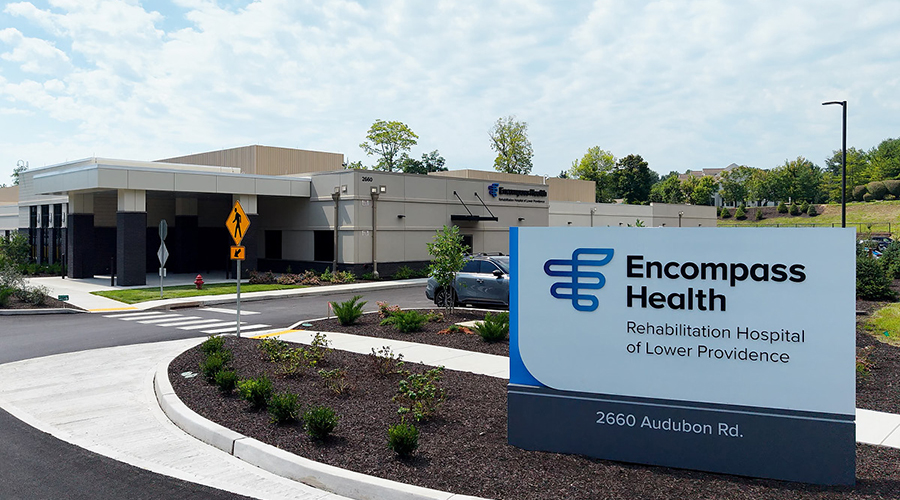 Encompass Health Lower Providence Opens in Pennsylvania
 Intermountain Health Acquires Fairbourne Building for Healthcare Hub and Medical Campus Conversion
 Cooling Towers at NYC Health + Hospitals/Lincoln Test Positive for Legionella
 Prefabricated Wall Panels Accelerate UCF Lake Nona Medical Center Construction