
ANSI/IICRC S540 Standard defines criteria and methodology used by the technician for inspecting and investigating blood and other potentially infectious material (OPIM) contamination and for establishing work plans and procedures. The Standard describes the procedures to be followed and the precautions to be taken when performing trauma and crime scene cleanup regardless of surface, item or location. This Standard assumes that all scenes have been released by law enforcement or regulatory agencies.
Trauma and crime scene cleanup consists of the following components for which procedures are described in the ANSI/IICRC S540 Standard:
- Principles of Trauma and Crime Scene Cleanup
- Safety and Health
- Biocide and Antimicrobial Technology
- Administrative Procedures, Documentation, and Risk Management
- Inspection and Preliminary Determination
- Equipment and Tools
- Limitations, Complexities, Complications, and Conflicts
- Structural Remediation
- Vehicle and Machinery Construction
- Contents Remediation
- Containment and Disposal of Waste or Sharps
- Confirmation of Cleanliness
The revised S540 will be developed under the ANSI Essential Requirements as American National Standards. To apply to serve on this consensus body, visit www.iicrc.org/SANSIIICRCS540.
June 16, 2020
Topic Area: Press Release
Recent Posts
 The Future of Healthcare Facility Construction Projects
Brian Cowperthwaite highlights the invisible work that impacts everyone who walks through a healthcare facility.
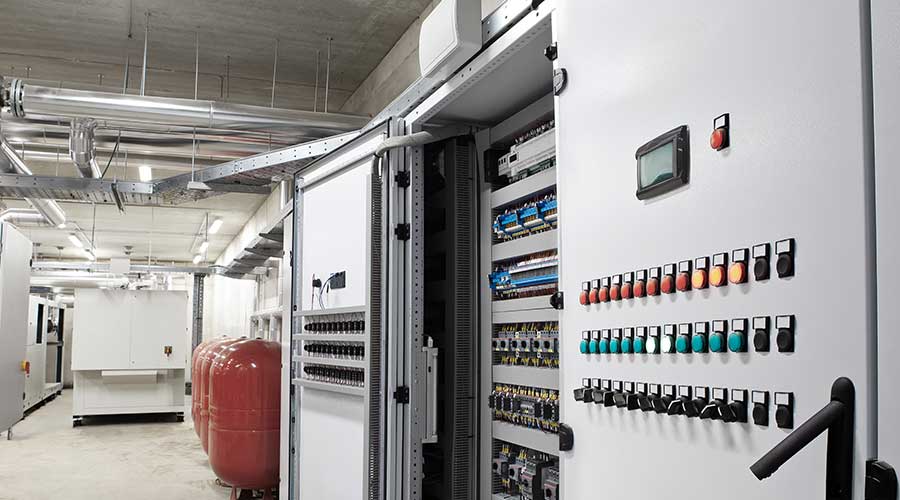 Arnprior Regional Health Upgrades Building Controls to Improve IEQ
Case study: They wanted to improve the hospital facility’s IEQ to support patient care and reduce long-term operating costs.
 Next Level Medical Suffers a Data Breach
To date, NLM has no evidence of identity theft or fraud related to this event.
 Extreme Weather: The Maintenance-Resilience Link
Extreme heat serves as stress test of the resilience of utility systems that provide power, cooling and life safety functions.
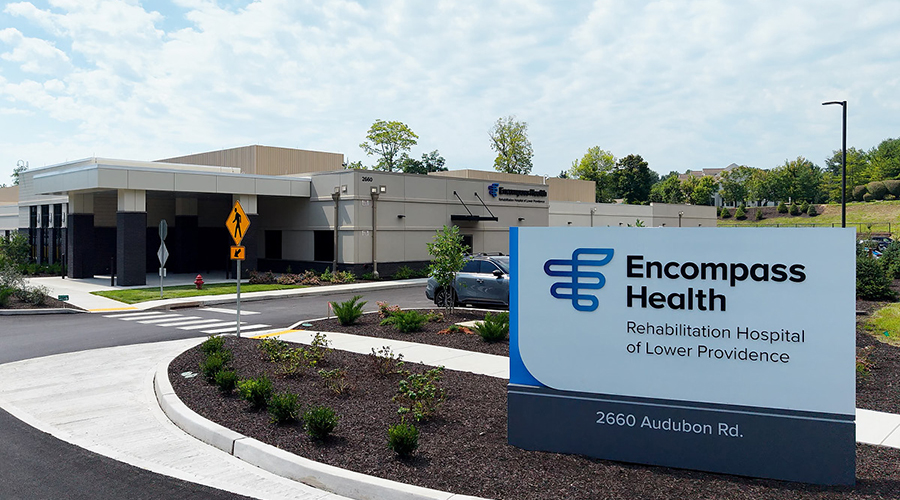 Encompass Health Lower Providence Opens in Pennsylvania
The 50-bed inpatient rehabilitation hospital is the company's 11th location in Pennsylvania.