
Some hospitals in Ireland are struggling to control the spread of hospital-acquired infections, according to an article on the Irish Health website.
The recent Health Information and Quality Authority (HIQA) report said the problems include a lack of isolation facilities, high occupancy rates and aging hospitals, the Health Information and Quality Authority.
Unannounced inspections at five hospitals focused on the prevention and control of antimicrobial-resistant bacteria and healthcare-associated infections, including carbapenemase-producing enterobacteriales (CPE).
For instance, Beaumont Hospital — one of the busiest acute hospitals in the country — not only was there non-compliance with these screening guidelines, but the hospital continued to admit patients to a CPE outbreak ward, which had been closed to admissions. This was contrary to advice from the infection prevention and control team. The report noted that Beaumont had been managing an ongoing outbreak of CPE since August 2018.
 Emergency Preparedness: Building a Stronger Community
 Ground Broken on Lavine Bekenstein Cancer Hospital in Massachusetts
 Camden-on-Gauley Medical Center Reports Data Security Incident
 Elevating EVS Professionals: The Case for Certified Hygiene Specialists
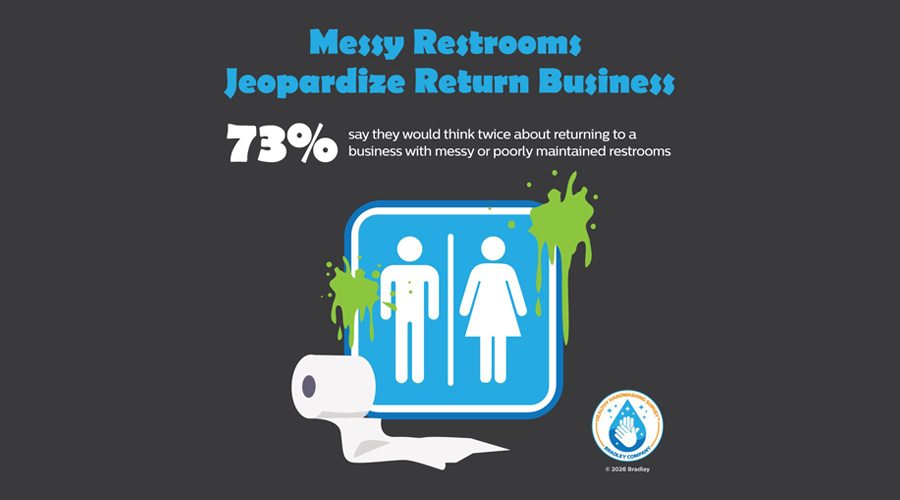 Global Handwashing Day and the Importance of Well-Maintained Restrooms