
A recent study has shown that bathing patients with chlorhexidine is slightly more effective than using contact precautions in preventing the spread of MRSA, according to an article on the Becker's Infection Control and Clinical Quality website.
A study presented at the Society for Healthcare Epidemiology of America meeting found fewer MRSA contamination events when patients were bathed with chlorhexidine compared to when patients were subject to contact precautions.
Researchers recorded nine MRS environmental contamination events with contact precautionsand seven when the only precaution was bathing patients.
 Emergency Preparedness: Building a Stronger Community
 Ground Broken on Lavine Bekenstein Cancer Hospital in Massachusetts
 Camden-on-Gauley Medical Center Reports Data Security Incident
 Elevating EVS Professionals: The Case for Certified Hygiene Specialists
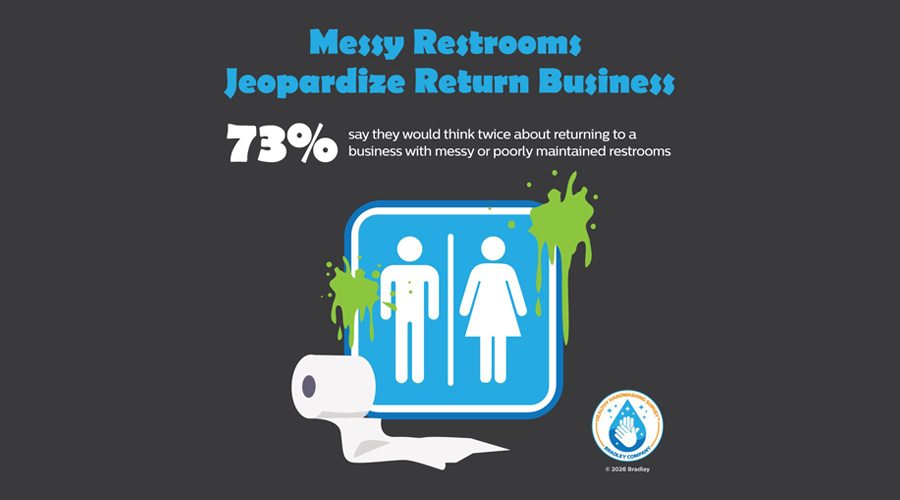 Global Handwashing Day and the Importance of Well-Maintained Restrooms