
Lighting controls can reduce lighting energy costs by up to 35 percent while offering maintenance and engineering managers additional capabilities for tuning light levels and brightness, controlling color, and generating data they can leverage for new operational efficiencies.
But achieving real value in a given upgrade requires the proper specification and application of controls, according to an article from Facility Maintenance Decisions on the FacilitiesNet website.
In new buildings where energy codes regulate design, controls typically must be installed to control nearly all lighting.
In an existing building undergoing an upgrade from traditional sources to LEDs, controls can be installed as part of the upgrade wherever sufficient opportunity and value intersect. That value can be sweetened by utility rebates when applicable.
To deliver successful lighting controls upgrades, managers need to focus on several key issues — understanding control strategies, determining space needs, and applying planning principles.
 Sustainability as a Baseline in Healthcare Facilities
 Penobscot Valley Hospital Reports Data Security Incident
 Ballad Health Acquires Land for Future Unicoi County Hospital
 Why Healthcare Facilities Management Is Critical to Patient Safety
 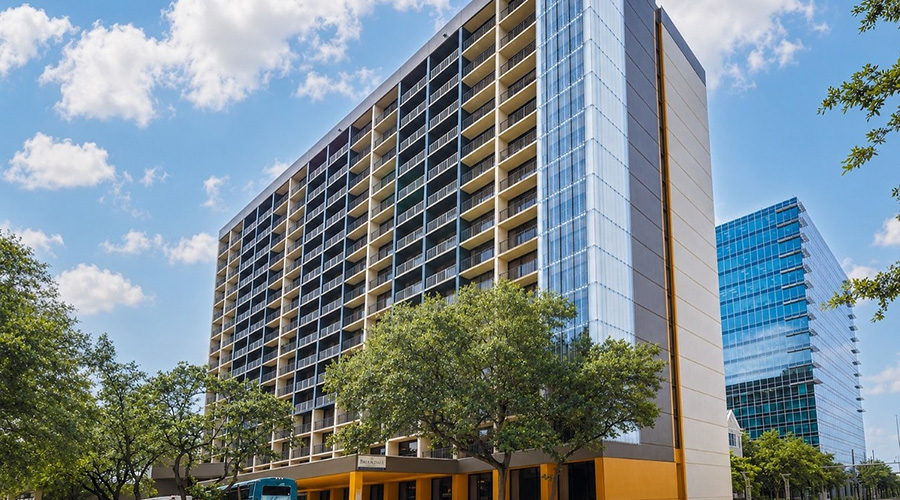 Brookdale Senior Living Announces Acquisition of the Brookdale Galleria Community