
Integrated building systems, maintenance programs and technologies can enhance a hospital’s ability to control infection. Unfortunately, these features are often diminished — or cut out entirely — in order to save money, according to an article on the Medical Construction & Design website.
Healthcare organizations may be unaware of the long-term costs — and dangers — of omitting these features.
In the early stages of a healthcare project, owners and representatives should always keep the future facility’s day-to-day operations in mind when value-engineering changes to the design, the article said.
Once a building is operational, facility managers must monitor hospital environments and keep building systems code compliant. Improper pressure relationships can lead to the spread of infection, contamination or other potentially dangerous environmental situations.
 Creating Healthcare Campus Master Plans That Allow Movement and Respite
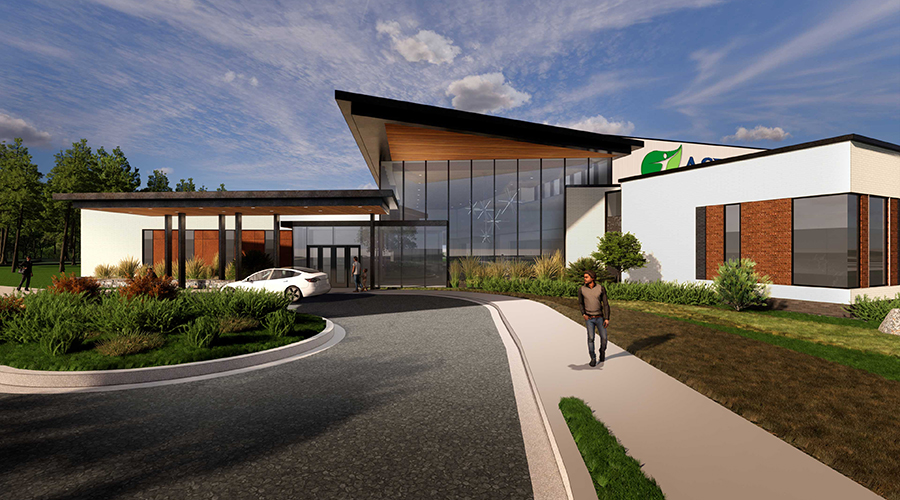 Aspirus Health Celebrates Opening of Chippewa Falls Hospital and Clinic
 AdventHealth to Open Aurora Highlands Medical Campus
 The Future of Healthcare Facility Construction Projects
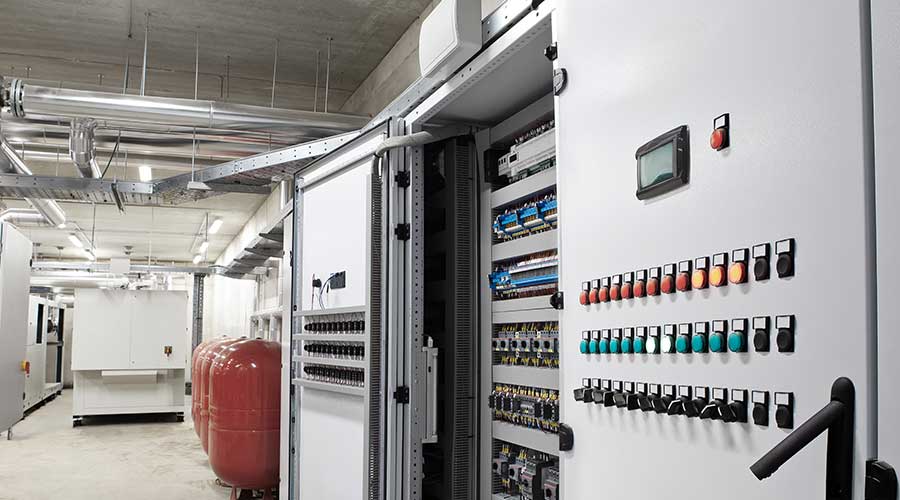 Arnprior Regional Health Upgrades Building Controls to Improve IEQ