
Air isolation rooms have specific requirements, including being well sealed to prevent excess air leakage, according to an article on the Health Facility Management website.
The tighter the construction, the more efficiently the air pressure differential can be maintained.
Also, patient isolation rooms may only have one patient bed, should be provided with an area for gowning and storage of clean and soiled materials directly outside or inside the entry door, and should be provided with a separate toilet room with a hand-washing sink, the article said.
The latest edition of the American Society of Heating, Refrigerating and Air-Conditioning Engineers' (ASHRAE) Standard 170, Ventilation of Health Care Facilities, which is integrated into the Facility Guidelines Institute's Guidelines for Design and Construction of Health Care Facilities, requires each isolation room to have a permanently installed visual device to monitor the air pressure differential.
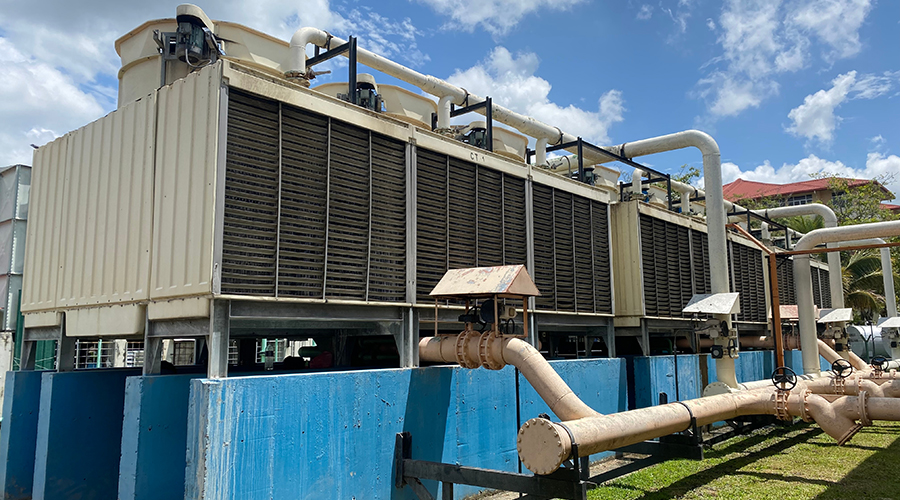 Cooling Towers at NYC Health + Hospitals/Lincoln Test Positive for Legionella
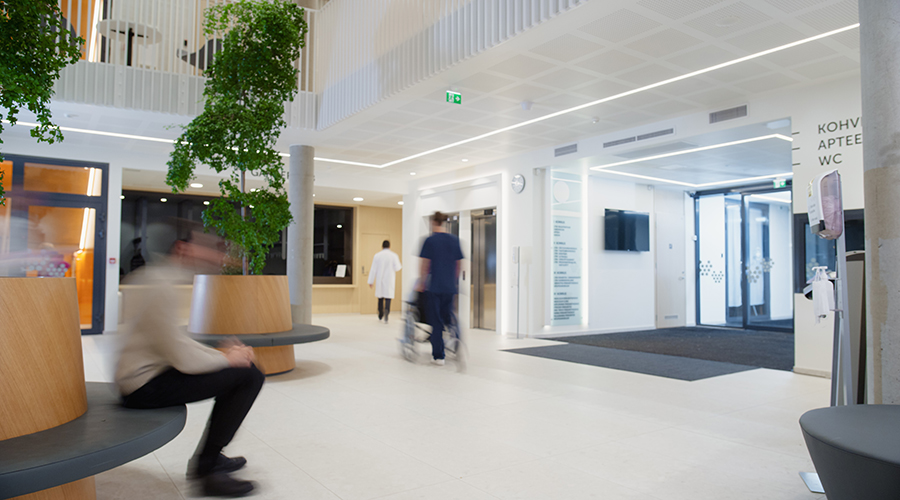 Prefabricated Wall Panels Accelerate UCF Lake Nona Medical Center Construction
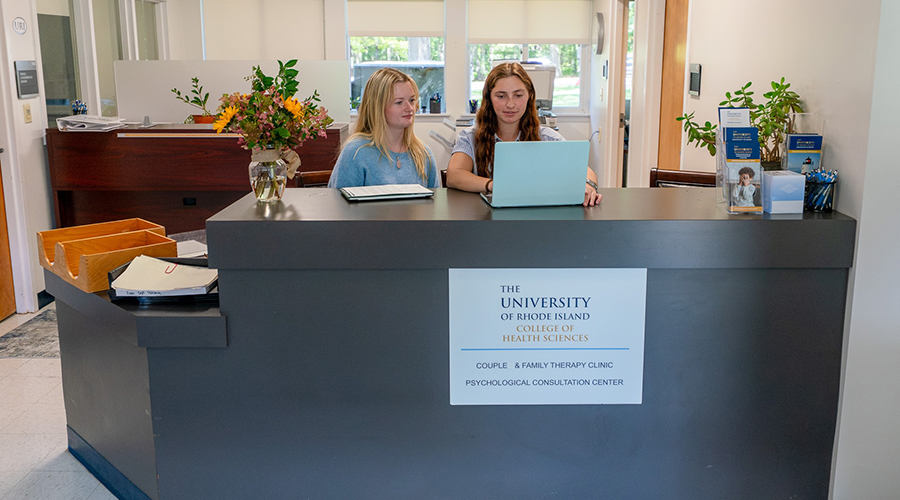 University of Rhode Island Adds Clinical Space
 How Retail Design Principles Can Improve Healthcare Wayfinding
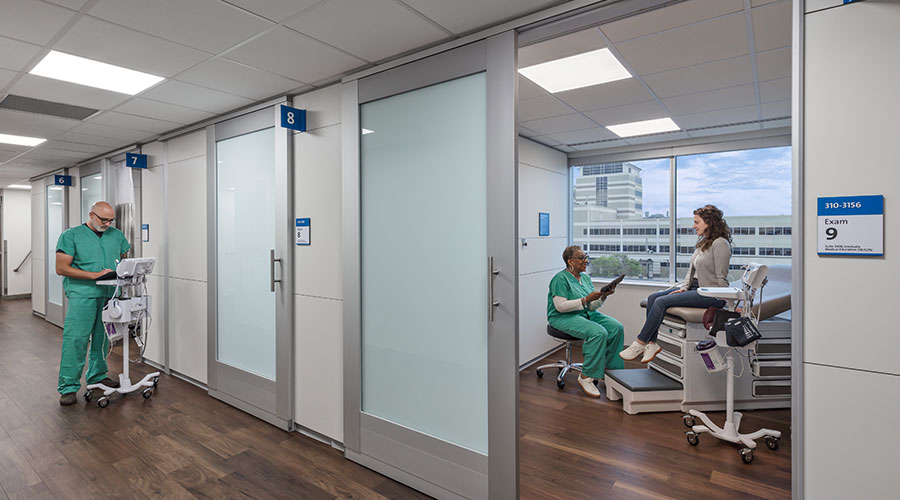 Flexible Design Strategies Help OhioHealth Maximize Clinical Space