
Considering the importance of medical records, their safekeeping and accessibility should be paramount when designing a healthcare facility, according to a blog on the Hospital Build & Infrastructure website.
Unfortunately this is often not the case when it comes to the storage of patient’s health records and they can frequently be kept in areas such as basements, presses, utility rooms or places that are not deemed suitable for clinical usage, wrote Declan Brady, of Glenbeigh Records Management.
The use of areas not specifically built for records storage open up risks to unauthorized access, information leakage and potential loss and damage of the records, according to the blog.
The development of a records management store within a healthcare center needs to be given the same level of attention as any other building project. The goal should be to ensure the safekeeping and security of the record preventing unauthorised access, yet allowing quick retrieval when required.
 How Efficiency Checklists Help Hospitals Save Energy, Water and Money
 Intermountain Healthcare Receives $50M Gift for Standalone Children's Hospital
 Arrowhead Regional Medical Center Reports Data Breach via Third Party
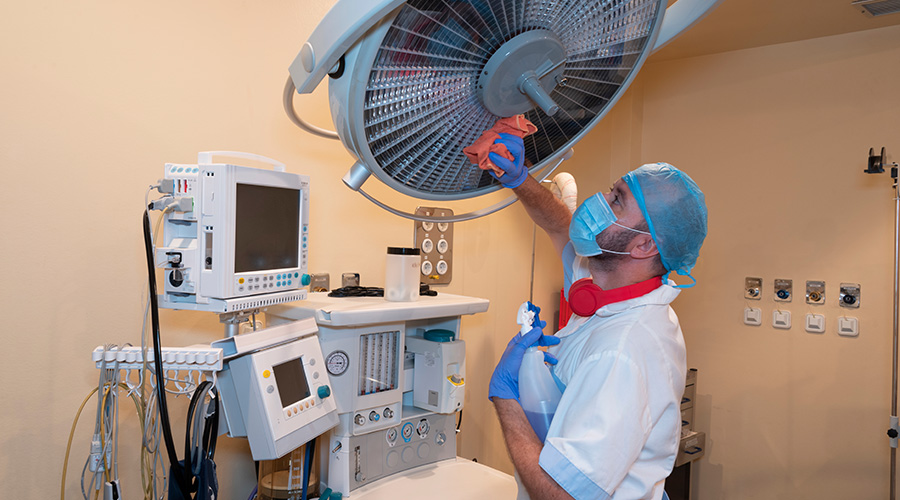 Safety Synergy: Infection Prevention That Protects Patients and Workers
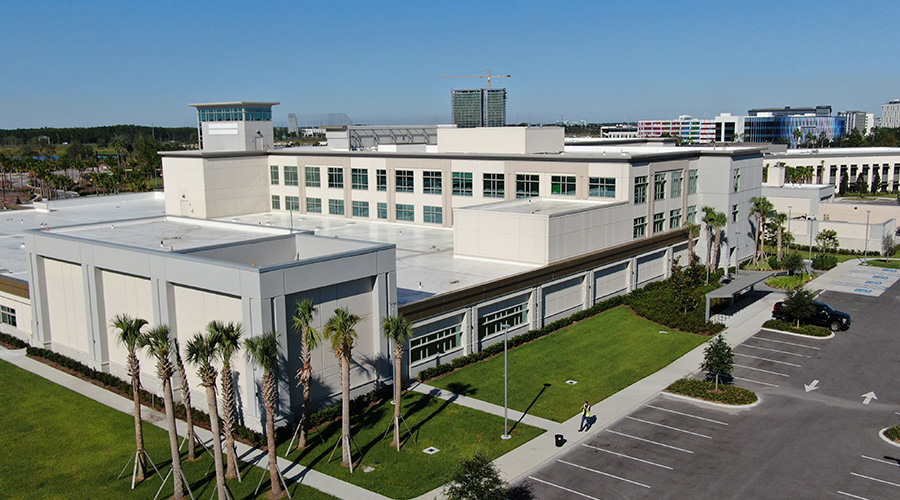 Prefabricated Wall Panels Speed UCF Lake Nona Medical Center Construction