Hand hygiene is one of the fundamental means to control the spread of infection, including healthcare-associated infections (HAI), in healthcare facilities. The World Health Organization (WHO) even has a standardized framework for healthcare workers, Five Moments for Hand Hygiene. A 2025 study published by the National Library of Medicine found that workers had overall low adherence rates to these guidelines and noted an important group that was not being considered.
Only two steps in the framework apply to environmental services (EVS) staff, leading to confusion on appropriate times to practice hand hygiene. EVS workers are critical to maintaining safe and healthy facilities, so when they do not conduct hand hygiene properly, they might be unwittingly transmitting pathogens. Those same researchers sought to rectify this issue by researching and developing hand hygiene indicators for EVS staff.
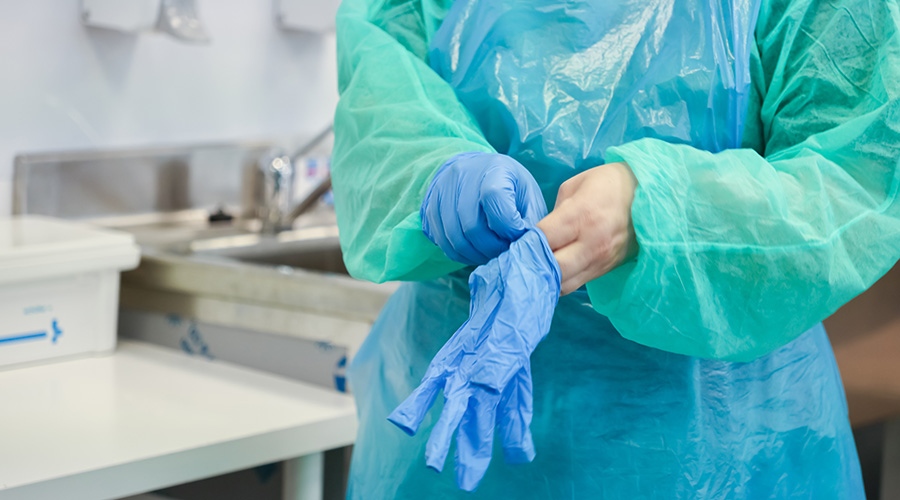
Based on the WHO guidelines, they recommend engaging in hand hygiene at five key moments, ranked by importance: after touching highly contaminated surfaces or items; before handling clean items; after cleaning or disinfecting; before cleaning or disinfecting; and after doffing personal protective equipment (PPE).
While the WHO focuses on hand hygiene before and after patient contact and medical procedures, these steps for EVS staff emphasize the process during specific cleaning and disinfecting tasks and when interacting with certain objects. These indicators align more closely with EVS workers’ daily tasks and responsibilities, and the specificity aims to improve understanding and implementation.
Related Content: Balancing Hand Hygiene Monitoring with Broader Infection Prevention Goals
Participants in the study said that many EVS staff fail to recognize that PPE is contaminated after use, which can lead to serious cross-contamination issues. So researchers say that the indicator “doffing PPE” should be explicitly stated and reinforced, even if it is considered least important. While they recognize that staff are unlikely to change heavy, chemical-resistant gloves after every use, they discourage the use of disposable gloves, which are not as protective. Durable gloves might reduce the risk of cross-contamination between rooms and beds if they are kept consistently moist with a disinfectant.
Still, hand hygiene is universally recommended after any glove use, regardless of glove type or cleaning method. Strictly adhering to a clean-to-dirty workflow can reduce this need to only once per room or bed. Otherwise, EVS staff should change gloves and perform hand hygiene as many times as needed in one room.
While EVS teams recognize the importance of hand hygiene, many staff members said they did not receiving explicit or formal training on when to perform it. Researchers say this finding might be due to the lack of clear hand hygiene indicators specific to EVS workers. Managers do not have clear guidelines to follow in training and assessment. Researchers say the indicators in the study “form a solid basis for training” but still need more careful attention and refinement.
In overcrowded, understaffed healthcare facilities, it can be difficult for EVS staff to remember when to practice hand hygiene, but it is one of the most important steps in preventing HAIs. Proper hand hygiene practices prevent workers from spreading pathogens between surfaces and rooms and even from getting sick themselves. Specific steps can serve as quick reminders and measurable outcomes, making a safer environment for EVS staff and healthcare facilities overall.
Elisa Miller is an assistant editor for CleanLink.com, Contracting Profits, Facility Cleaning Decisions, and Sanitary Maintenance.
 Hospitals Are Energy Super-Users. Why Is It So Hard to Modernize Them?
 Encompass Health Rehabilitation Hospital of Bangor Officially Opens
 Early Entry: Manager's Critical Role in Construction Planning
 The Evolution of Lighting in Patient Care
 HealthPartners and Essentia Health to Combine Organizations