
A systematic review and meta-analysis to estimate the prevalence of multidrug-resistant gram-negative bacteria colonization in nursing homes revealed a high colonization rate of 27 percent among residents, according to an article on the Healio website.
Researchers said the finding is concerning given the amount of interaction and opportunities for transmission among patients and healthcare workers in longterm care facilities.
“This study underscores the importance of having strong infection prevention programs in all nursing homes and long-term care facilities,” Linda Greene, president of the Association for Professionals in Infection Control and Epidemiology said.
In other results, studies identified risk factors for colonization, including a history of recurrent hospitalization and increased interaction with healthcare professionals.
 Cooling Towers at NYC Health + Hospitals/Lincoln Test Positive for Legionella
 Prefabricated Wall Panels Accelerate UCF Lake Nona Medical Center Construction
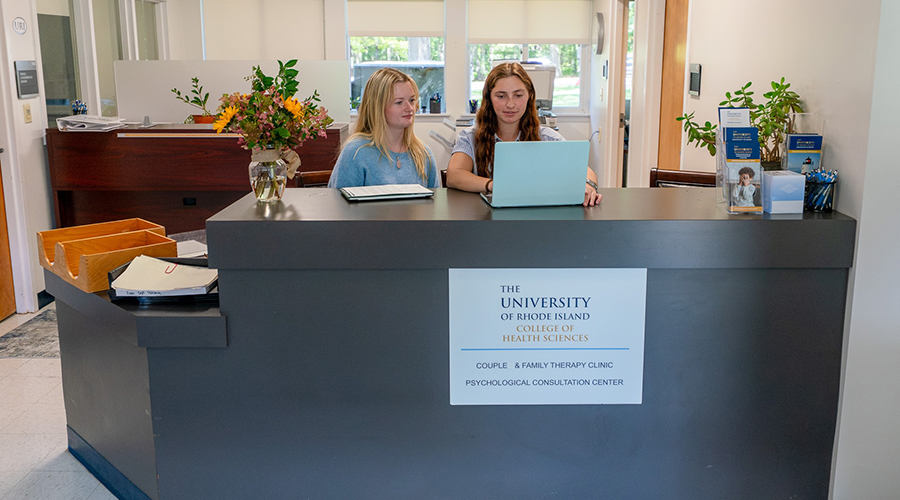 University of Rhode Island Adds Clinical Space
 How Retail Design Principles Can Improve Healthcare Wayfinding
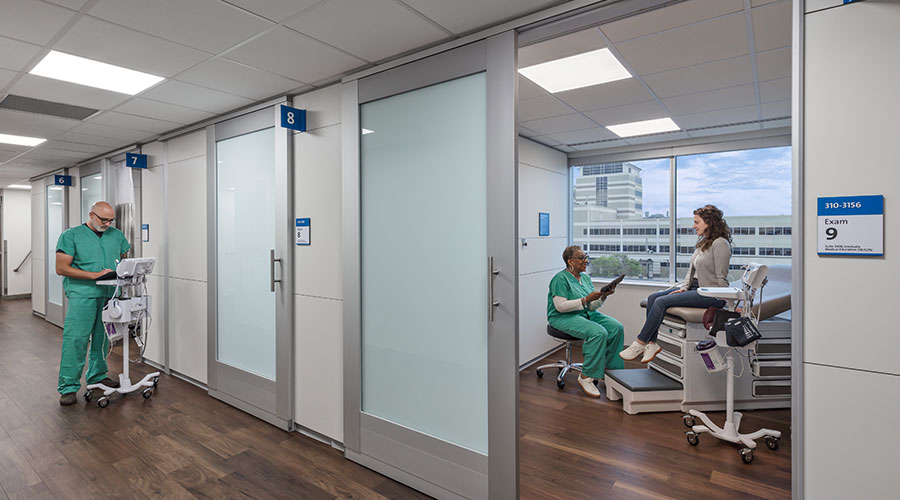 Flexible Design Strategies Help OhioHealth Maximize Clinical Space