
The Centers for Medicare & Medicaid Services (CMS) recently published proposed rules that would amend the fire safety standards for hospitals, long-term care facilities, ambulatory surgery centers, hospice inpatient and many other healthcare facilities that participate in the federal Medicare and Medicaid programs, according to an article on the JD Supra website.
The CMS has proposed adoption of the 2012 editions of the Life Safety Code, promulgated by the National Fire Protection Association, and the Health Care Facilities Code.
A key change would involve a requirement that “high-rise” buildings (those over 75 feet in height, generally seven or eight stories) be sprinklered throughout.
Existing structures would have 12 years to install such systems. Although the requirement mainly would affect hospitals, CMS has sought public comment regarding the possible effect on other types of healthcare facilities.
In addition, automatic sprinkler systems would be required in all habitable areas, closets, roofed porches, balconies and decks of new residential healthcare facilities.
 Elevating EVS Professionals: The Case for Certified Hygiene Specialists
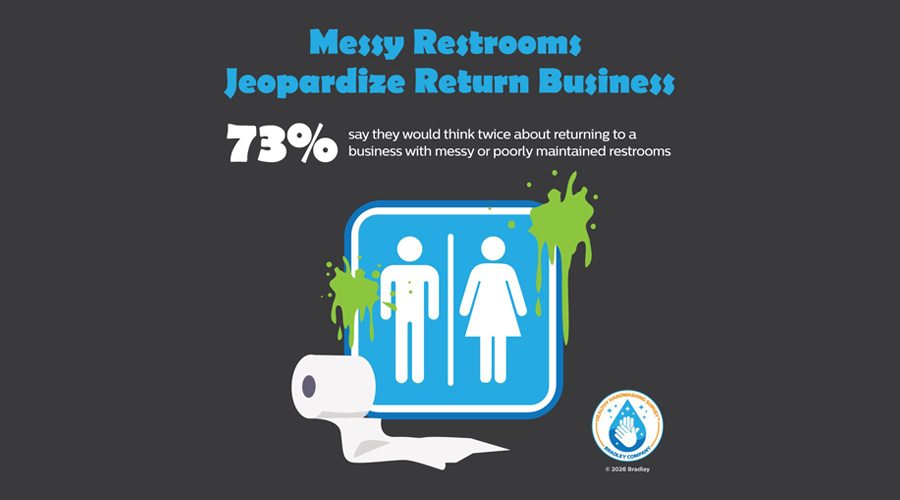 Global Handwashing Day and the Importance of Well-Maintained Restrooms
 Duke Health and CaroMont Health Partner to Develop Two New Hospitals
 Designing for the Psychology of Waiting
 UT Health Sciences Breaks Ground on College of Medicine Interdisciplinary Building