
Over the past two decades, assisted living has undergone a transformation, according to an article on the Pacific Standard magazine's website. What began as a grassroots movement aimed at creating a humane and innovative alternative to nursing homes has become a multibillion-dollar industry that houses some 750,000 American seniors.
Assisted living facilities were initially meant to provide housing, meals, and help to elderly people who could no longer live on their own.But studies show that increasing numbers of assisted living residents are seriously ill and that many suffer from dementia, according to the article. The facility's staff must manage complex medication regimens, safeguard those for whom even walking to the bathroom can be dangerous.
Despite the growing demands on care in assisted living, most states require little in the way of education or qualifications. In Minnesota and 13 other states, administrators don't need high school diplomas, the article said. Caregivers can be as young as 16 in Illinois. Facilities in some states are not required to have even one licensed nurse on staff.
Compared with nursing homes, assisted living facilities in many states receive relatively little outside monitoring. Under federal guidelines, nursing homes are supposed to be inspected at least once every 15 months. According to the article, the interval between inspections for assisted living can be five years in some states. South Carolina and five other states require no regular inspections.
Read the article.
 Cyberattack Results in Patient Reroutes at Anne Arundel Medical Center
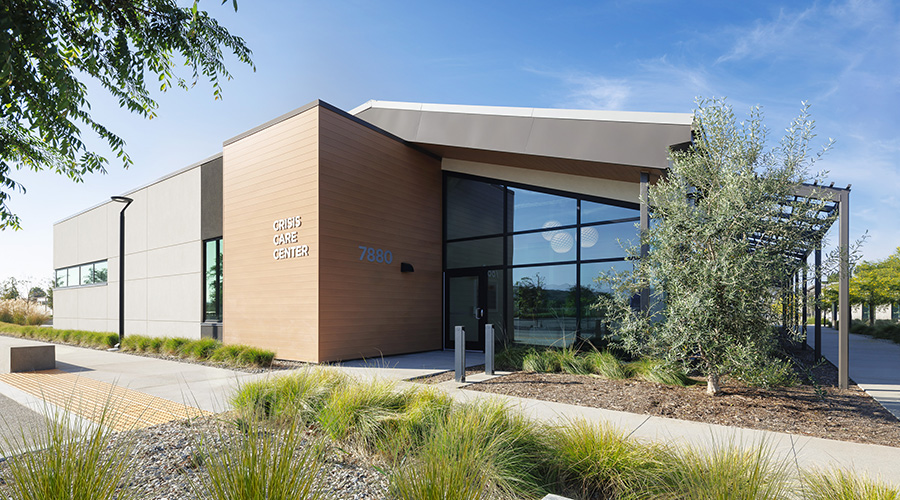 Tangram Furnishes Be Well OC Irvine Behavioral Health Campus
 Suntree Internal Medicine Reports Data Breach
 Why Healthcare Facilities Management Is Critical to Patient Safety
  Sanford Health and North Memorial Health Finalize Partnership