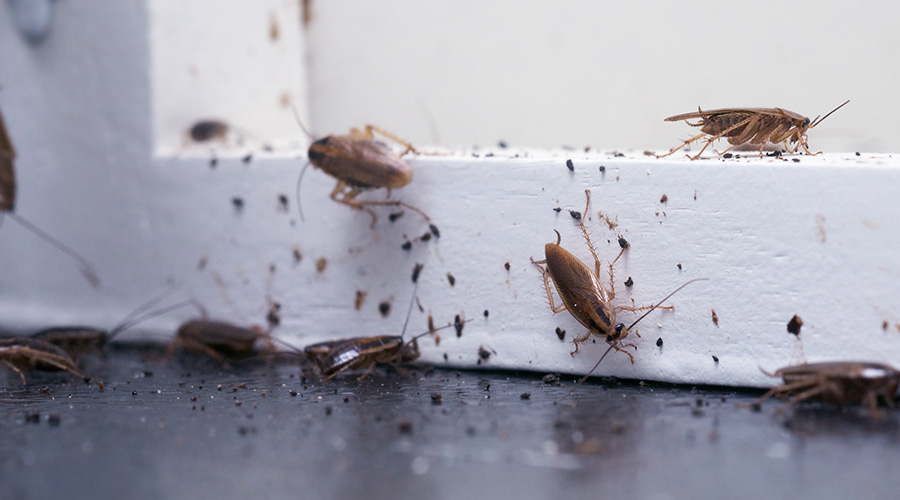
Storm season is upon us in many regions, bringing an increased risk of severe weather. When storms roll through, healthcare facility teams have plenty to worry about: flooding, leaks or power disruptions that could impact patient care and damage to critical infrastructure. But once the storm passes, another concern may be quietly moving through the building: cockroaches.
“Severe weather impacts insects just like it impacts humans,” says Ben Hamza, commercial division technical director for Orkin. “For their survival, they look for ways to escape. Although American cockroaches can live in drains and sewer lines, storms have the tendency to move them where they weren’t there before.”
In any healthcare setting, cockroaches pose much more of a threat than simply being a nuisance. They are capable of harboring Salmonella, E. coli and Staphylococcus, according to the U.S. Centers for Disease Control and Prevention. Cockroaches that live and breed in hospitals have higher bacterial loads than cockroaches in the community, and up to 98 percent of cockroaches collected carry over 30 types of bacteria on their external surfaces.
After a storm or period of heavy rain, facilities managers should prioritize areas that provide the three things cockroaches need: harborage, food and moisture.
Inspections should include basements, food preparation spaces, damp areas, bathrooms and floor drains. Break rooms, patient rooms and any areas where employees eat also warrant attention.
“One area where many people don’t think to look in a hospital is the laundry room. These rooms provide heat, moisture and places to hide that may be right around the corner from food sources,” Hamza says.
Facilities teams should also pay close attention to mechanical areas and plumbing. Even seemingly minor leaks can create an opportunity for cockroaches to thrive.
Although it may be easy to let your guard down if there is a lack of cockroach sightings, that does not necessarily mean a hospital is pest-free.
“There are many early indicators of cockroaches including stains on the floor, droppings, pieces of dead insects like wings or legs, or unusual odors,” Hamza says. “By the time someone actually sees a live cockroach, the infestation may already be significant.”
It’s also important to take every report seriously. Approximately 28.7 percent of hospitals in the United States report cockroach infestations annually, and around 62 percent of hospital staff report spotting cockroaches in patient areas at least once a month, according to Cockroach Care.
“If an employee, nurse, doctor, patient reports seeing a cockroach, never disregard that,” Hamza says. “Any sign, any clue is helpful in pinpointing where the issue is and should be responded to immediately.”
Follow up with janitorial teams and other employees who work in the facility at night because they may notice signs that daytime inspections miss. And never hesitate to partner with a pest management professional if extra help is needed.
“But prevention is number one. Having routine walk-throughs, training your staff, conducting monthly inspections and having open communication between departments before and after severe weather is all part of prevention,” Hamza says.
Elaina Myers is the assistant editor of the facilities market. She has covered various topics from pest management to resilience to sustainability and covers all holidays and special days in the facilities field. She also manages the FacilitiesNet social media accounts.
 Designing for the Psychology of Waiting
 UT Health Sciences Breaks Ground on College of Medicine Interdisciplinary Building
 Vandalia Health, Mary Free Bed Break Ground on New Rehabilitation Hospital
 Why New Era of Care Demands an Ambulatory Facilities Approach
 ClearSky Health Plans New Medical Rehabilitation Hospital in North Carolina