
Hospitals are under siege, and not just from ongoing surges of COVID-19 patients. Ransomware attacks continue to mount as hackers look to access and steal valuable patient information. What can IT managers do to protect patients and their organizations?
Ransomware attacks can be extremely damaging, according to Healthcare Global. Last year Rangely District Hospital in Colorado suffered an attack whereby the proprietary software used to access medical records was infected. The hospital didn’t pay the ransom, and five years of patient records became inaccessible. Perpetuators of these types of attacks often act fast, with organizations sometimes experiencing the full lifecycle of an attack in just two days.
Central to preventing these attacks is ensuring staff are informed and taking precautions, such as scanning emails for threats, checking firewalls are working, and being mindful of phishing attacks. Staff training on security is essential for this. IT managers also should stress the importance of backing up critical data so it can be restored if needed. Best practice is multiple versions of backups with different recovery points and at different locations.
Click here to read the article.
 Emergency Preparedness: Building a Stronger Community
 Ground Broken on Lavine Bekenstein Cancer Hospital in Massachusetts
 Camden-on-Gauley Medical Center Reports Data Security Incident
 Elevating EVS Professionals: The Case for Certified Hygiene Specialists
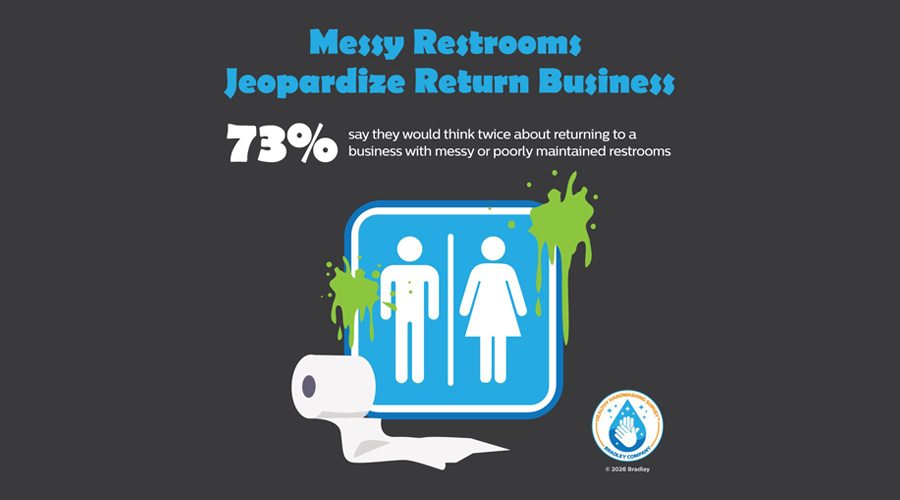 Global Handwashing Day and the Importance of Well-Maintained Restrooms