
Extreme weather events are reminders that for all the building standards and advanced technology, our communities are not as resilient as we’d like to think, according to a blog on the Perkins+Will website.
Places like hospitals or fire stations are designed to be more resilient than the average office building and are “hardened” to survive such events relatively intact, but Hurricane Sandy exposed the threat to “non-hardened” health organizations. Dialysis facilities went off-line with the rest of the power grid and patients with chronic kidney diseases were compelled to go to emergency rooms for treatment.
To address this issue, the blog said, Perkins+Will, with Degenkolb Engineers, Mazzetti Engineers, Public Architecture, and Alliance Health of San Francisco, developed a concept for a rapidly deployable health clinic – “RDoC” – and pharmacy that can be used as a replacement venue for critical ambulatory health services in the aftermath of a disaster.
Read the blog and watch the video.
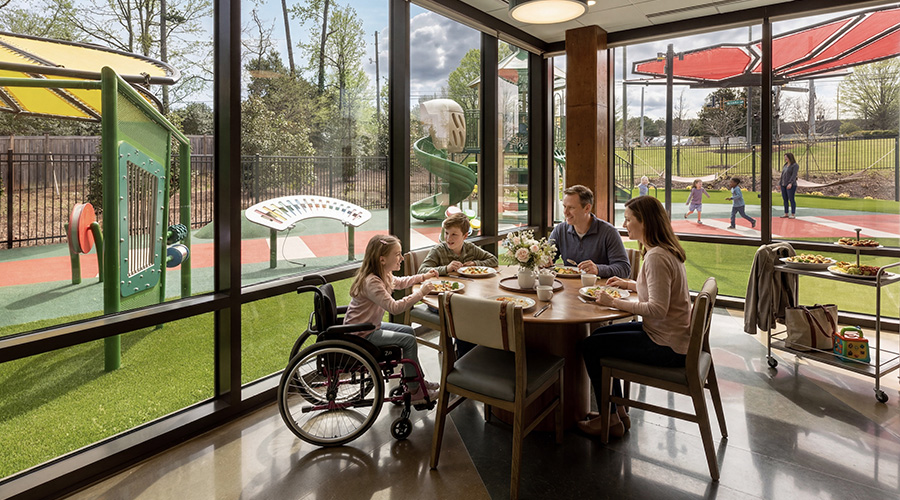 Designing a Home Away from Home
 Stephens County Hospital Becoming Part of Wellstar Health System
 Grafton City Hospital Joins Vandalia Health
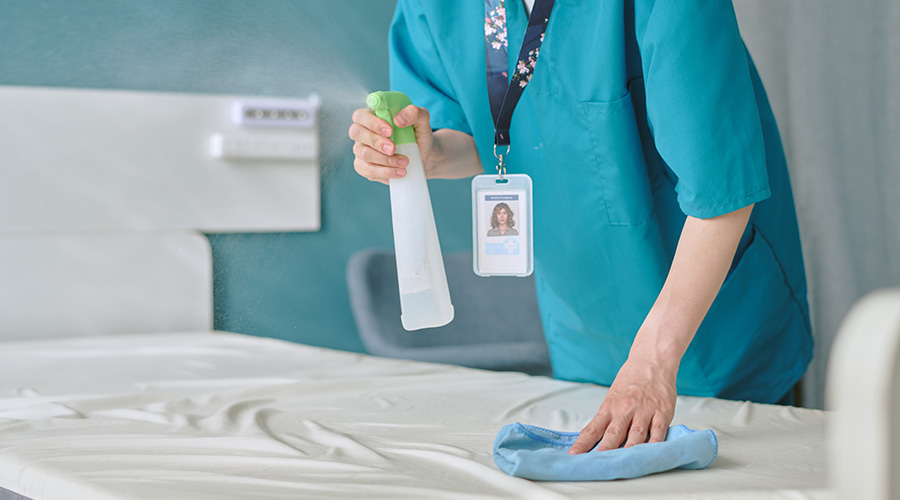 Protecting Patients from C. auris Through Bed and Mattress Safety
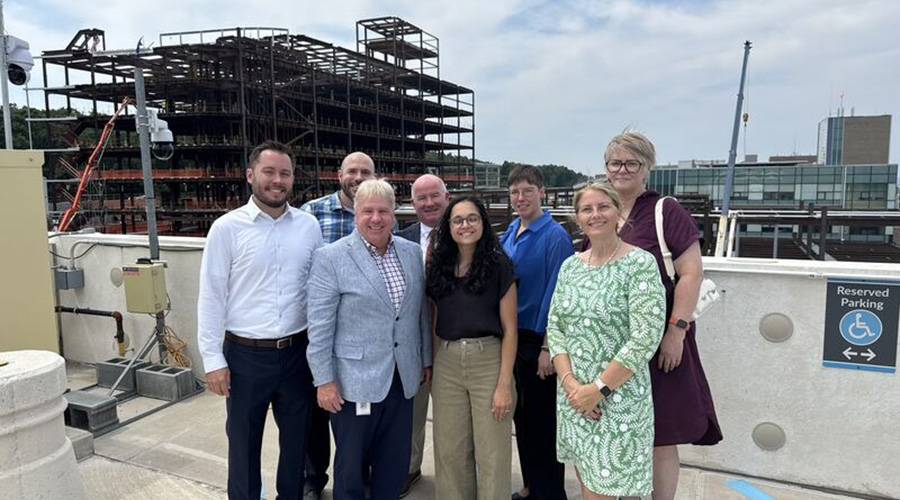 Geisinger Wyoming Valley Medical Center Tops Off New Acute Care Tower