
Retrocommissioning (RCx) in existing buildings is a process that aims to capture lost savings from inefficient building management practices. A bundle of energy efficiency measures that will augment building operation and save energy is installed during the RCx process.
However, there is very little information on how long these energy efficiency measures will continue to provide savings over time, a quality referred to as persistence, according to an article from Building Operating Management on the FacilitiesNet website.
Much current information is based on assumptions or estimates from a few studies showing wide variation: from 2 to 20 years for common RCx measures. The variation results because few of these studies are based on field monitoring of installed measures.
To understand how RCx measures perform years after the RCx effort is complete (persistence in savings), we conducted an in-depth literature review and found thirteen studies that evaluated savings from RCx. These studies showed that, when evaluated two or three years after RCx, 80 percent of the RCx measures were still operational. But we found little on persistence beyond the three-year mark and were not able to conclude measure-level persistence based on the literature review alone. Our next step was to conduct a field study to evaluate persistence in RCx measures. We identified 28 separate buildings that were past RCx participants in the ComEd RCx energy efficiency program. The goal was to quantify RCx measure persistence based on estimated useful life (EUL) and to identify operational factors and energy.
 The Future of Healthcare Facility Construction Projects
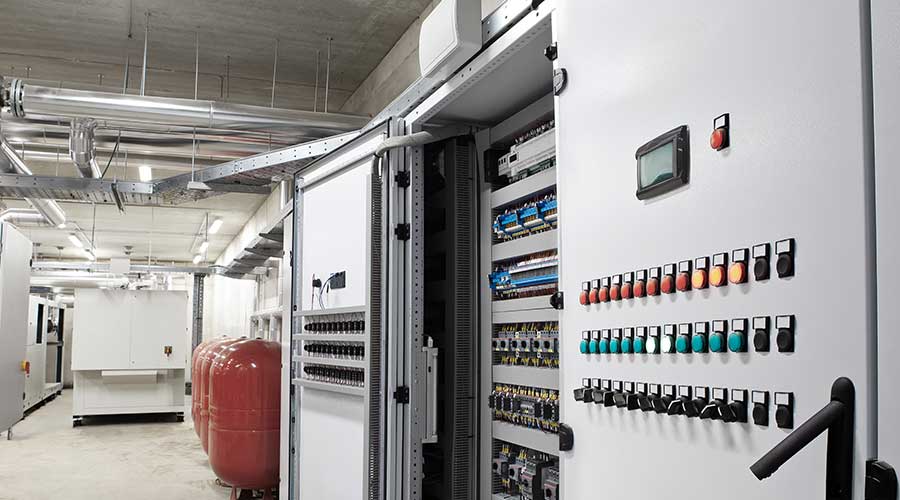 Arnprior Regional Health Upgrades Building Controls to Improve IEQ
 Next Level Medical Suffers a Data Breach
 Extreme Weather: The Maintenance-Resilience Link
 Encompass Health Lower Providence Opens in Pennsylvania