
When setting standards for healthcare cleaning, there is a lack of conclusive evidence that previously suggested food-service levels of contamination relate to the prevention of healthcare-associated infections, according to an article on the Infection Control Today website.
The difficulties in measuring cleaning efficacy are compounded by the lack of standardized methodologies and are rarely quantitative. Environmental screening usually takes place on an ad hoc basis after an outbreak, but it is impossible to screen the entire surface of a ward and finding the outbreak strain is not guaranteed, the article said.
According to experts, no one set of standards exists for general hospital wards and there is considerable variation in sampling methodologies and quantitative reporting. This makes it difficult to compare fluctuating situations in a ward, between wards and between different hospitals, let alone investigate specific levels of contamination in relation to infection risk.
Bacteriological standards based on those used by the food industry were once suggested but whether this level of contamination is associated with a lower risk for transmission of infection is unknown, the article said.
 The Future of Healthcare Facility Construction Projects
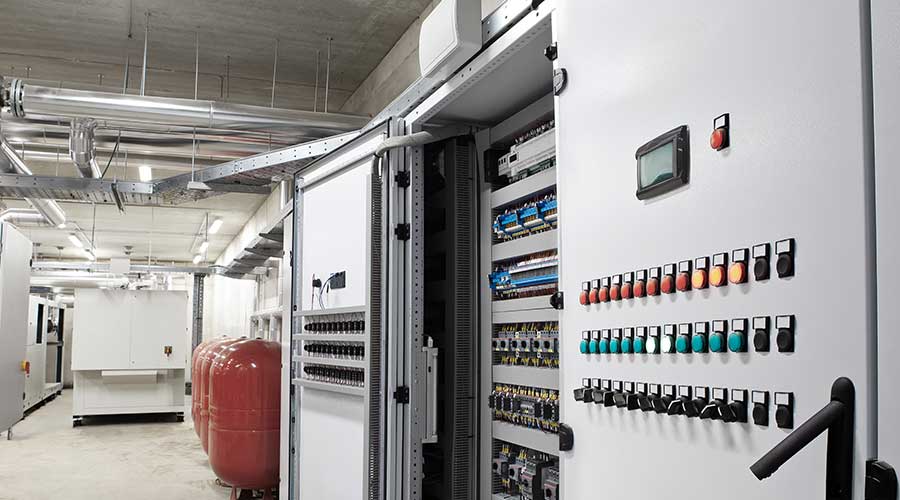 Arnprior Regional Health Upgrades Building Controls to Improve IEQ
 Next Level Medical Suffers a Data Breach
 Extreme Weather: The Maintenance-Resilience Link
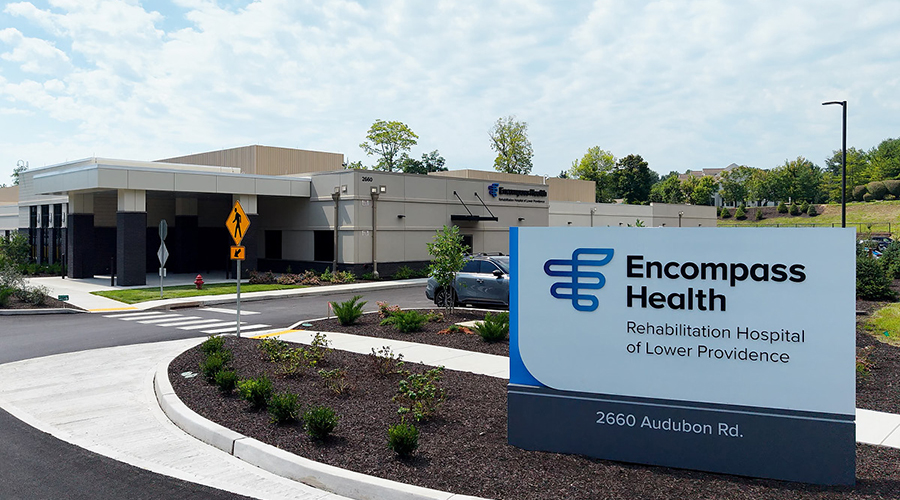 Encompass Health Lower Providence Opens in Pennsylvania