
A new study suggests that soiled clinical linens may be a source of surface Clostridium difficile contamination, according to an article on the Infection Control Today website.
The study explored if C. diff could be cultured from clinical laundry facility surfaces. Surface samples were collected from the areas that handled soiled clinical linens and from the areas that processed and folded the clean linens, within the University of Washington Consolidated Laundry facility in 2015.
All of the samples that tested positive were in areas where dirty linens are handled; no C. difficile contamination was found in areas where only clean laundry was handled.
According to researchers, their data may be an underestimation of true prevalence and diversity of C. difficile on surfaces, the article said.
 Elevating EVS Professionals: The Case for Certified Hygiene Specialists
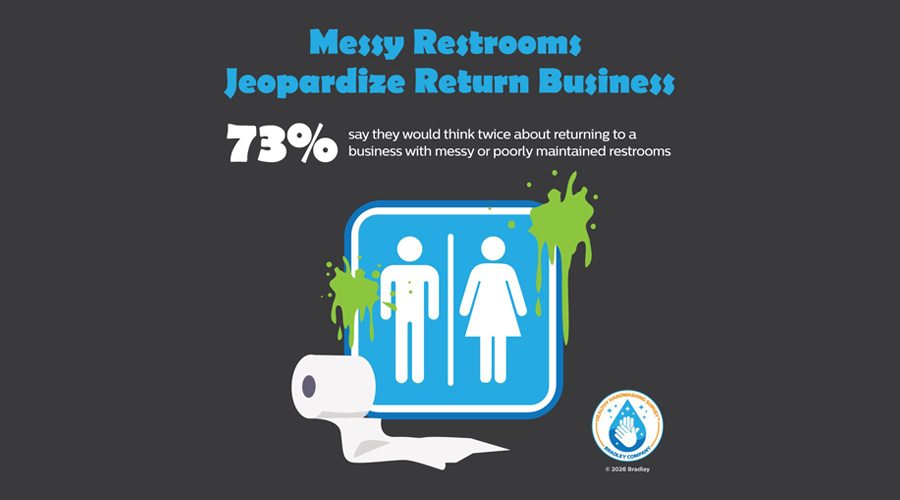 Global Handwashing Day and the Importance of Well-Maintained Restrooms
 Duke Health and CaroMont Health Partner to Develop Two New Hospitals
 Designing for the Psychology of Waiting
 UT Health Sciences Breaks Ground on College of Medicine Interdisciplinary Building