
Water audits and leak-detection technology can help managers conserve water, according to an article from Facilities Maintenance Decisions on the FacilitiesNet website.
A growing number of managers are implementing leak-detection technology, in some cases incorporating WiFi technology, that sends email alerts when a detector comes in direct water contact. The systems also sound a loud alarm and flash red LED lights to alert technicians of the leak.
Water use audits also are important in understanding a facility’s water use and what can be done to reduce it. They trace water use from its point of entry into the facility through its discharge into the sewer.
They identify each point of water use in and around a facility and estimate the quantity of water used at each point. They identify and quantify unaccountable water losses and possible leaks and provide technicians with a road map to potential savings.
A comprehensive water-use audit should examine all major areas in which a facility uses water, including sanitation, plumbing, mechanical and irrigation systems. For each of those areas, the audit provides a breakdown of the how, when and where of water use.
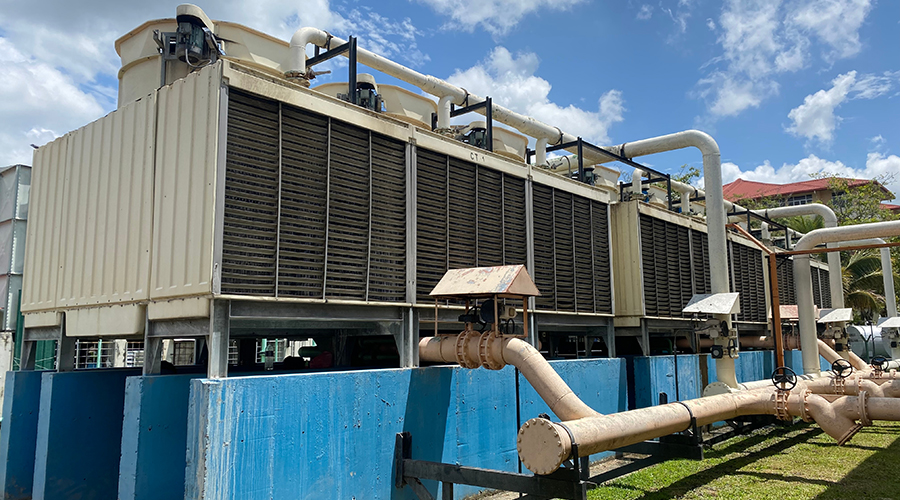 Cooling Towers at NYC Health + Hospitals/Lincoln Test Positive for Legionella
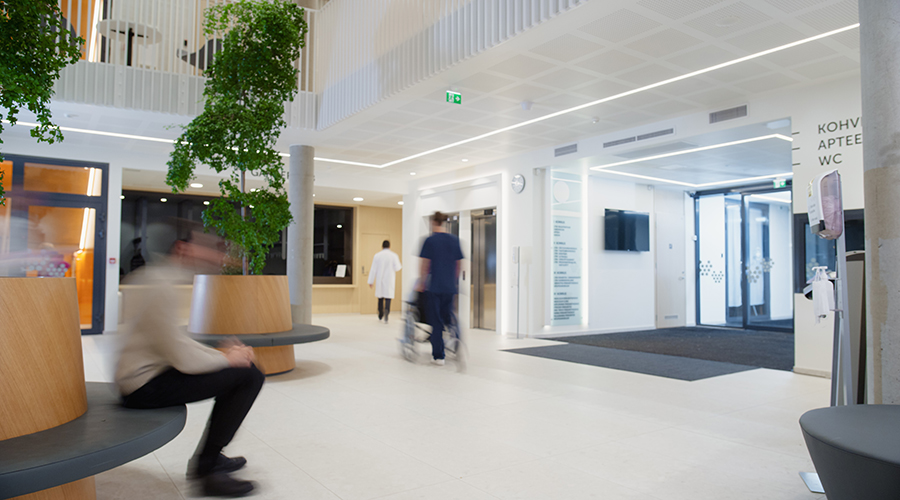 Prefabricated Wall Panels Accelerate UCF Lake Nona Medical Center Construction
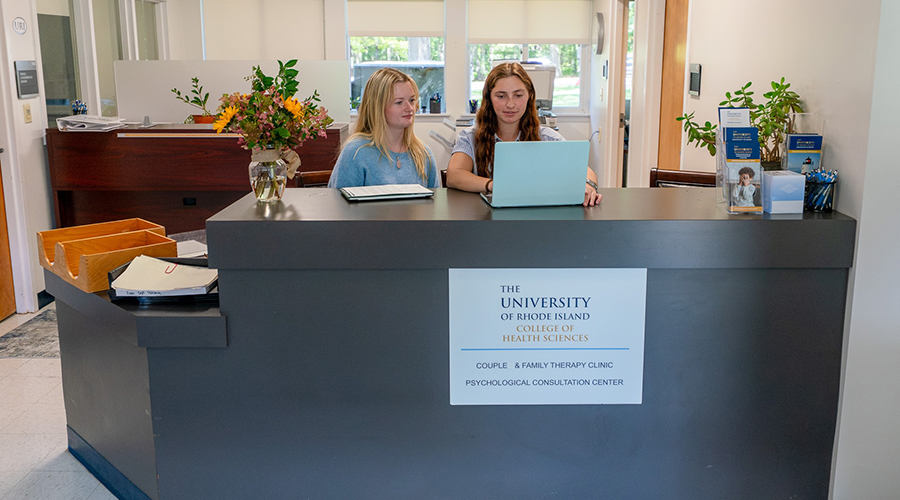 University of Rhode Island Adds Clinical Space
 How Retail Design Principles Can Improve Healthcare Wayfinding
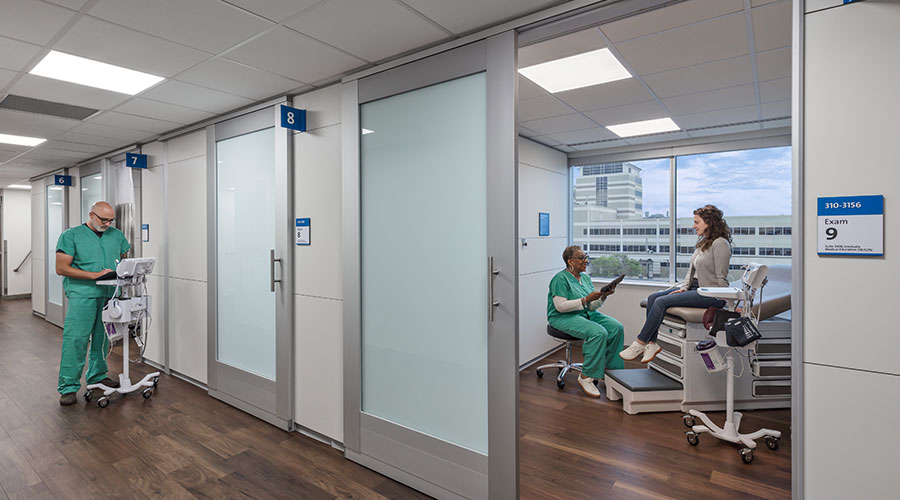 Flexible Design Strategies Help OhioHealth Maximize Clinical Space