
Stand-alone medical buildings and specialized treatment facilities are engineering challenges, and more are being designed and built due to changes in health care requirements, according to a Q&A on the Consulting-Specifying Engineering website.
CSE asked the respondents what net zero energy and/or high-performance systems they have recently specified on stand-alone medical buildings and specialized treatment facilities (either an existing building or new construction).
Mechanically, some energy efficiency strategies used more in today's designs are condensing boilers, heat-recovery chillers, and desiccant systems for outdoor-air preconditioning, according to Brian Kolm of HDR Inc.
We, as engineers, strive to focus on sustainability as a part of our practice. It is a mindset and a process. For example, VRF systems are much more efficient than packaged DX systems. These types of facilities represent a high revenue stream for the system or owners. Return on investment does not typically drive the decisions. The design has to meet the operational needs, the speed to market, and the construction budget while still keeping the overall sustainability and lifecycle cost in mind, said Douglas Calhoun of WSP | Parsons Brinckerhoff.
 Extreme Weather: The Maintenance-Resilience Link
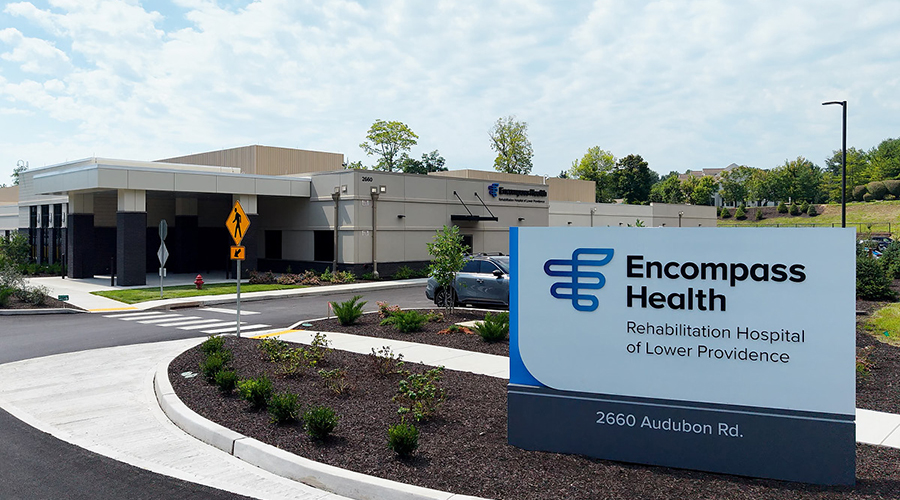 Encompass Health Lower Providence Opens in Pennsylvania
 Intermountain Health Acquires Fairbourne Building for Healthcare Hub and Medical Campus Conversion
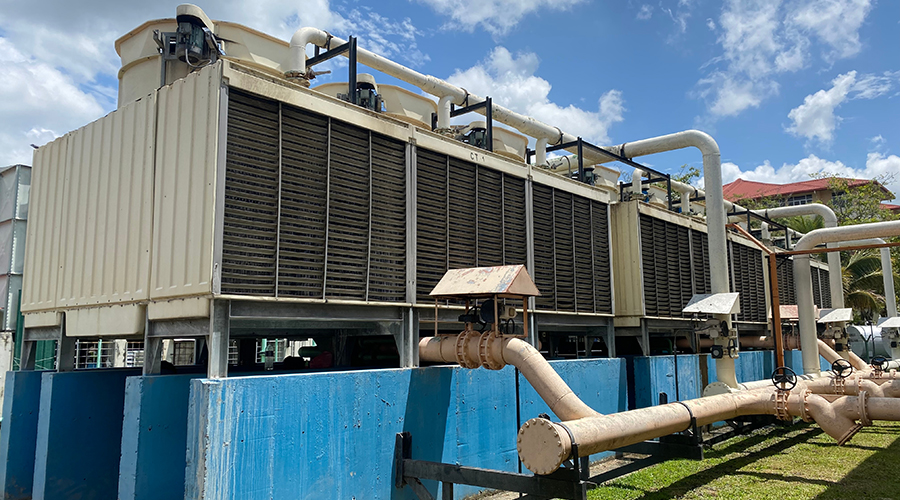 Cooling Towers at NYC Health + Hospitals/Lincoln Test Positive for Legionella
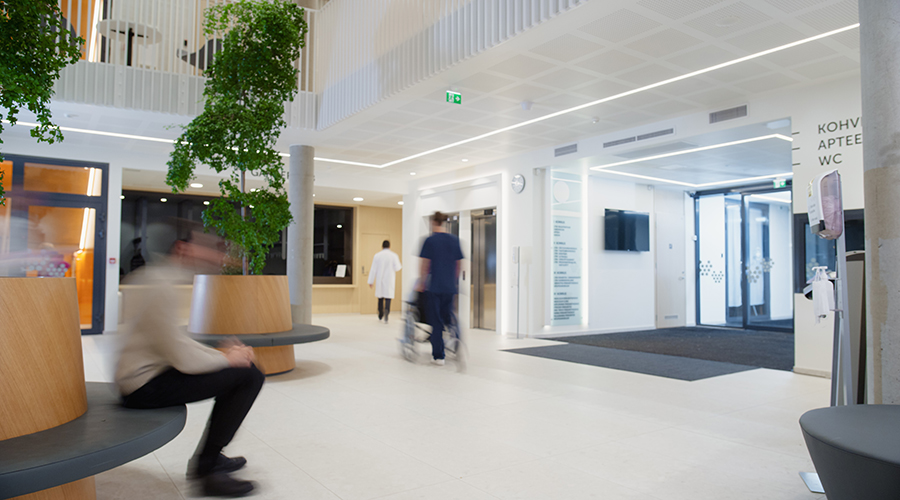 Prefabricated Wall Panels Accelerate UCF Lake Nona Medical Center Construction