
The impact of the COVID-19 pandemic on the nation’s senior living communities has been substantial, and now efforts are underway by a group of U.S. senators to deliver financial support to these facilities.
Twenty-five senators have signed a letter asking that some of the $23 billion remaining in the Coronavirus Aid, Relief, and Economic Security (CARES) Act Provider Relief Fund be dedicated to senior living facilities to offset continued expenses related to the pandemic, according to McKnight’s Senior Living.
The letter to Health and Human Services Secretary Xavier Becerra maintains that designating a proportional allocation of funds to assisted living providers, Alzheimer’s/memory care centers, and senior congregate care facilities would signal that the administration remains dedicated to helping our nation’s seniors and their families.
The American Seniors Housing Association and Argentum have led advocacy efforts to secure additional funding for senior living providers to help pay for personal protective equipment, staffing, infection prevention and control, vaccine administration and testing.
 Cooling Towers at NYC Health + Hospitals/Lincoln Test Positive for Legionella
 Prefabricated Wall Panels Accelerate UCF Lake Nona Medical Center Construction
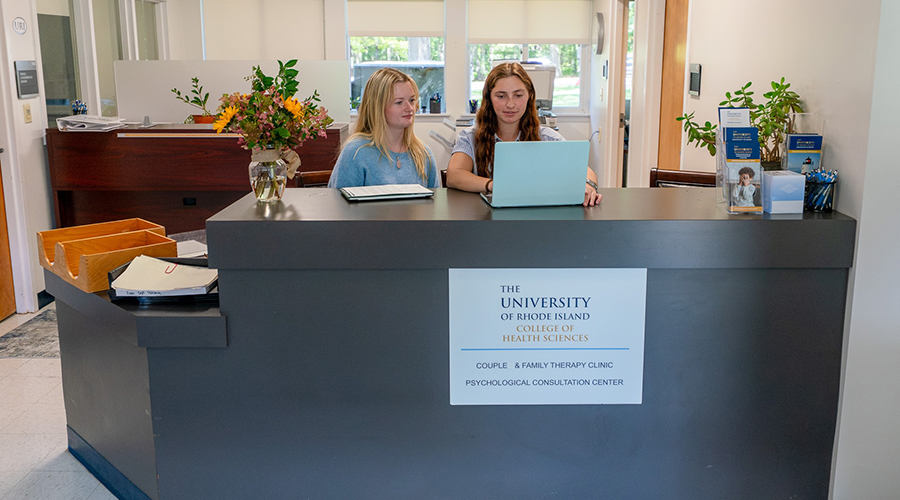 University of Rhode Island Adds Clinical Space
 How Retail Design Principles Can Improve Healthcare Wayfinding
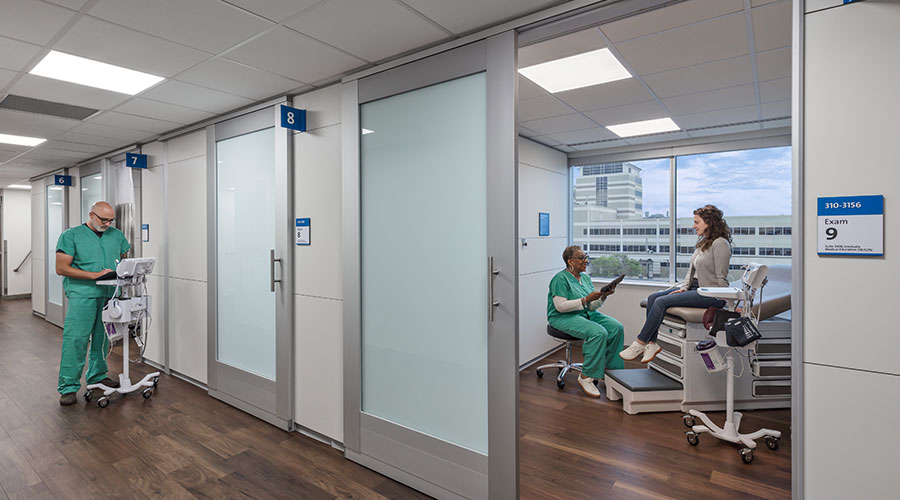 Flexible Design Strategies Help OhioHealth Maximize Clinical Space