
UPMC announced its intention to reduce greenhouse gas emissions by 50 percent within the next eight years across its footprint – one component of the recently signed Health Care Sector Climate Pledge. The pledge demonstrates the healthcare system’s continued commitment to lowering emissions and building more climate resilient infrastructure. Also, by committing to the White House initiative, it is UPMC’s goal to achieve net zero emissions by 2050.
Meeting these environmental milestones will be met under the guidance of John Krolicki, vice president of facilities and support services for UPMC Presbyterian Shadyside and UPMC Children’s Hospital, and Dr. Michael Boninger, president of UPMC Innovative Homecare Solutions.
In 2014, UPMC joined the Green Building Alliance 2030 challenge and has reduced its carbon footprint by over 10 percent in the Pittsburgh area, despite significant growth. Also, all UPMC campuses have eliminated plastic foam packaging from cafeterias, and more than 40 tons of appliances and equipment have been recycled over the last five years.
UPMC campuses have been honored by the Arbor Day Foundation for tree planting and education, and efforts are underway in areas such as using geothermal technology and constructing green buildings.
 Designing for the Psychology of Waiting
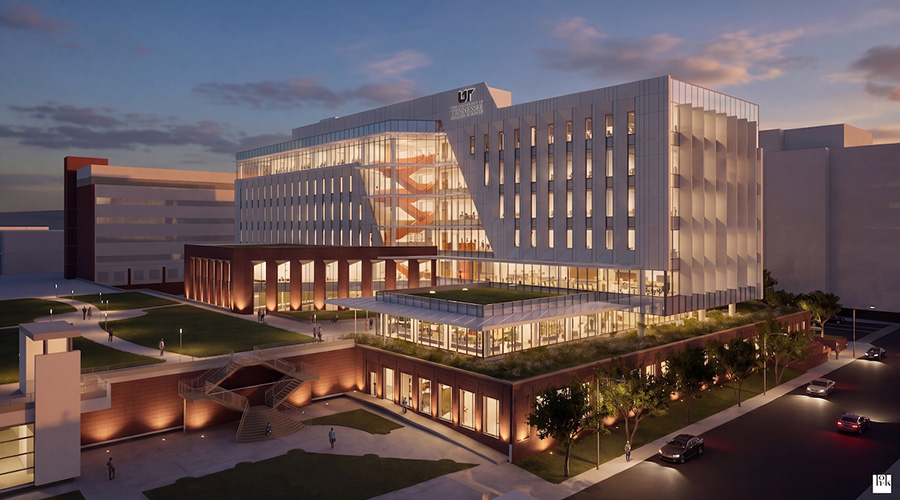 UT Health Sciences Breaks Ground on College of Medicine Interdisciplinary Building
 Vandalia Health, Mary Free Bed Break Ground on New Rehabilitation Hospital
 Why New Era of Care Demands an Ambulatory Facilities Approach
 ClearSky Health Plans New Medical Rehabilitation Hospital in North Carolina