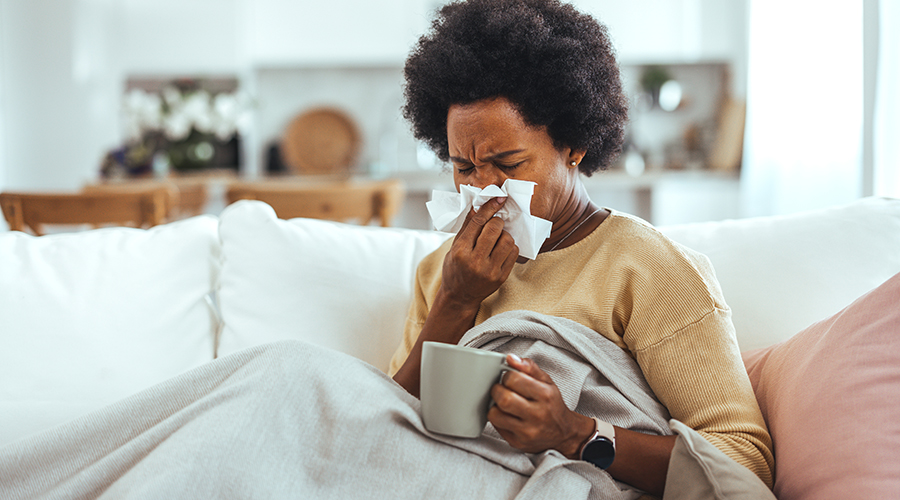
As winter rolls on in the new year, pathogens continue to thrive, filling up healthcare facilities and emptying schools and offices. While some are familiar foes, others are on a distinct rise this season. With proper plans and cleaning procedures in place, all of them can be prevented.
1. Influenza
Influenza is one of the most common viruses every winter season. It is highly contagious and arrives in predictable waves every year, making it a logistical and economic nuisance for both the public and healthcare facilities.
Proper cleaning, sanitizing and disinfecting processes are crucial for preventing pathogens from spreading. While cleaning is not synonymous with disinfecting, these products can kill viruses and bacteria. The Environmental Protection Agency (EPA) tests disinfectants and rates them based on the type of viruses they are effective against. Products are labeled with these ratings in addition to kill times— how long the product must sit on a surface to become effective.
Many common disinfectants can kill Influenza pathogens, including bleach or ammonia-based cleaners. Influenza can live on surfaces for several hours, so impacted areas should be routinely disinfected. High touch areas, such as doorknobs, elevator buttons, and vending machines should also be disinfected regularly.
2. Norovirus
Norovirus has surged in the last few years, starting earlier than usual last fall. The virus can live on surfaces for up to two days and indefinitely on water. When someone projectile vomits, the virus is airborne for two hours with particles spreading up to a 25-foot radius.
Proper disinfecting is critical, as alcohol-based sanitizers are not nearly as effective against Norovirus. It can only be disinfected by products with an EPA rating of G. Healthcare professionals must wash hands carefully when encountering the virus and should encourage all patients to wash their hands for 20 to 30 seconds.
3. RSV
Respiratory Syncytial Virus (RSV) is particularly worrisome for older adults and infants as it is much more dangerous for these vulnerable groups. The virus spreads easily and is contagious. While most adults will experience a bad cold, it can lead to severe trouble breathing, pneumonia, bronchitis, and infections that could require hospitalization for newborns and the elderly.
Environmental service managers should continue to refer to EPA ratings when disinfecting. Products that can kill Influenza A and Covid-19 are often effective against RSV as well. As RSV is an airborne illness, improving air quality and ventilation is key for controlling the spread. Ventilation removes indoor air that may be impacted by airborne viruses and replaces it with clean outdoor air.
It is impossible to avoid these pathogens completely, but maintaining best practices throughout the healthcare facility can go a long way. While it can be easy to become complacent with those viruses that appear every year, staying vigilant and completing the proper procedures ultimately saves lives.
Elisa Miller is an assistant editor for CleanLink.com, Contracting Profits, Facility Cleaning Decisions, and Sanitary Maintenance.
 Creating Healthcare Campus Master Plans That Allow Movement and Respite
 Aspirus Health Celebrates Opening of Chippewa Falls Hospital and Clinic
 AdventHealth to Open Aurora Highlands Medical Campus
 The Future of Healthcare Facility Construction Projects
 Arnprior Regional Health Upgrades Building Controls to Improve IEQ