
Upgrades to lighting systems and their controllability typically result in the quickest energy paybacks for institutional and commercial facilities, according to an article from Facilities Maintenance Decisions on the FacilitiesNet website.
These upgrades also can provide secondary benefits, including improved lighting quality, reduced maintenance, ease of buying new fixtures and bulbs, and having a better understanding of the impact they have on building energy use.
Maintenance and engineering managers can integrate more advanced upgrades into the building management system. This strategy gives the maintenance staff more transparency into their control and energy consumption.
Planning and performing energy-saving upgrades requires managers understand the national standards, codes and building rating systems that will impact product specification, project scope and savings projections.
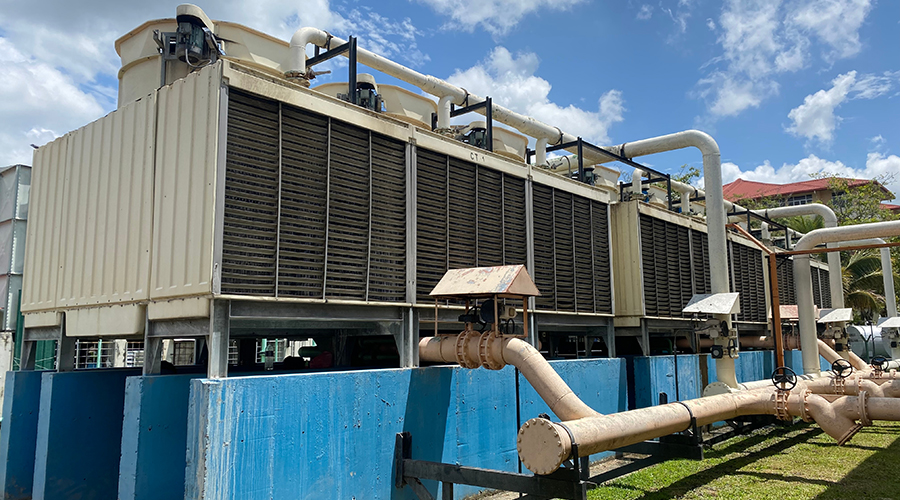 Cooling Towers at NYC Health + Hospitals/Lincoln Test Positive for Legionella
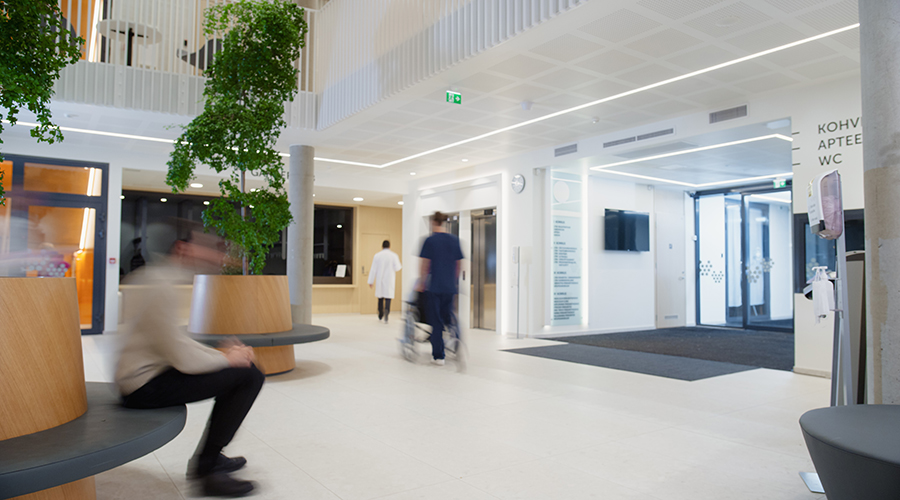 Prefabricated Wall Panels Accelerate UCF Lake Nona Medical Center Construction
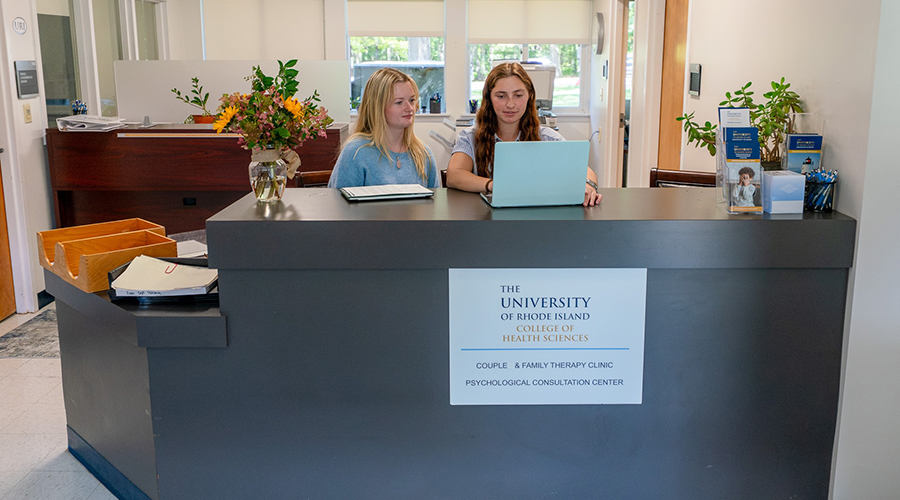 University of Rhode Island Adds Clinical Space
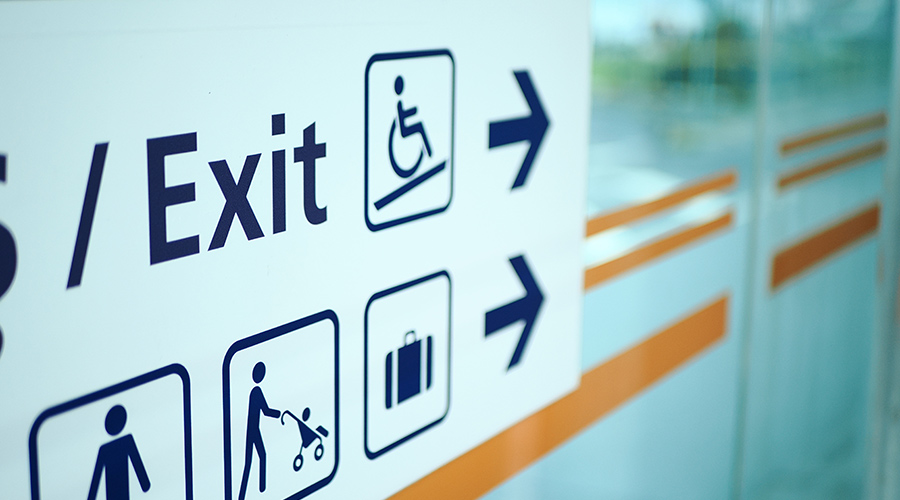 How Retail Design Principles Can Improve Healthcare Wayfinding
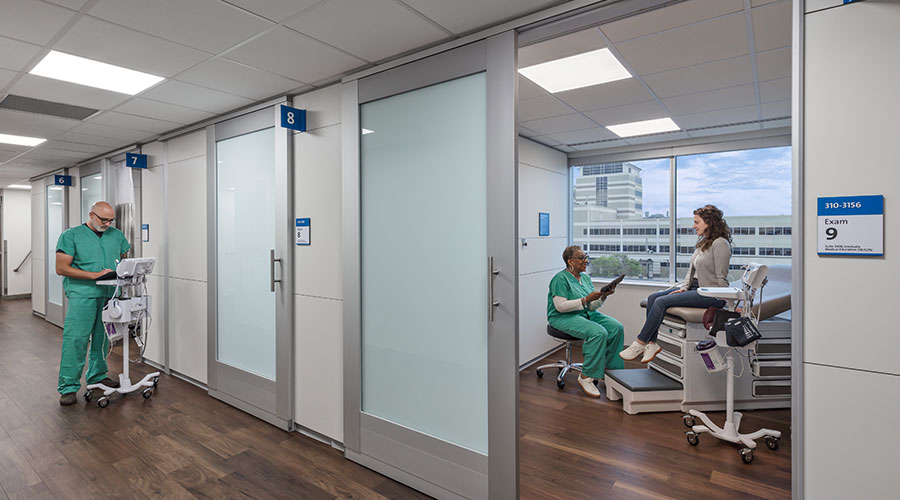 Flexible Design Strategies Help OhioHealth Maximize Clinical Space