The COVID-19 pandemic has altered nearly every aspect of healthcare facilities, and not just patient care areas. From restrooms to offices, facility managers have had to rethink and renovate the entire range of touchpoints, fixtures and materials. Perhaps no area of healthcare facilities has received as much scrutiny as visitors’ initial point of contact — facility entrances.
Visitor management has long been one of the primary security concerns for healthcare facilities, but the COVID-19 pandemic has certainly brought the need for this technology into sharper focus for these organizations, according to Security IT Watch. In this environment, healthcare facilities need control over incoming patients, their families and visitors, and outside contractors – both to protect those in the facility from the virus and to contact tracy.
Now cutting-edge visitor management systems incorporate COVID-critical features such as facial recognition, mask detection, health questionnaires and temperature checks. Some systems include or integrate with employee COVID screenings that feature inventory and allocation management of personal protective equipment, employee scheduling for staggered shifts, and capacity planning for social distance enforcement.
The key to a successful visitor management system in a healthcare environment – either during COVID or post-virus – is its ease of use. These systems will be public-facing, and it will often be administered by healthcare professionals themselves.
Click here to read the article.
 Disinfectant Contact Time: The Case for Biofilm Disruption
 Rethinking How Healthcare Facilities Fund Construction Projects
 Putting Trauma-Informed Design into Practice
 Harris Health to Build New Freestanding Cancer Center
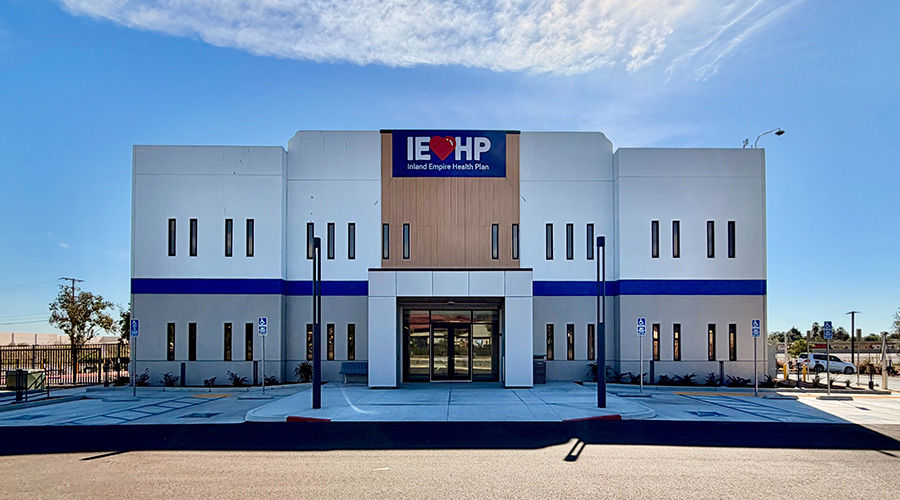 Inland Empire Health Plan Opens Expanded San Bernardino Community Wellness Center