
The COVID-19 pandemic has challenged healthcare facility managers in every possible way, but it is just one of a string of emergencies and crises — from wildfires and rolling blackouts to hurricanes and active shooters — that managers and their teams need to prepare for to ensure their resilience. Increasingly, climate is high on this priority list, and now planning resources have arrived.
To reduce climate change risks, healthcare facilities need to be resilient order to anticipate, respond to, cope with, recover from and adapt to climate-related shocks and stress.
To aid in this effort, the World Health Organization recently issued Guidance for climate-resilient and environmentally sustainable healthcare facilities. The primary purpose of the document is to support healthcare facility managers and other health workers in establishing a baseline with regard to climate change resilience in their facilities. It also aims to inform the design of interventions to strengthen overall resilience and conduct vulnerability assessments in health care facilities.
This document and its checklists are intended to help managers in terms of existing vulnerabilities and possible impacts, and support them in taking appropriate action. Separate checklists are provided for a range of climate hazards, including floods, storms, sea-level rise, droughts, heat waves, wildfires and cold waves.
 Creating Healthcare Campus Master Plans That Allow Movement and Respite
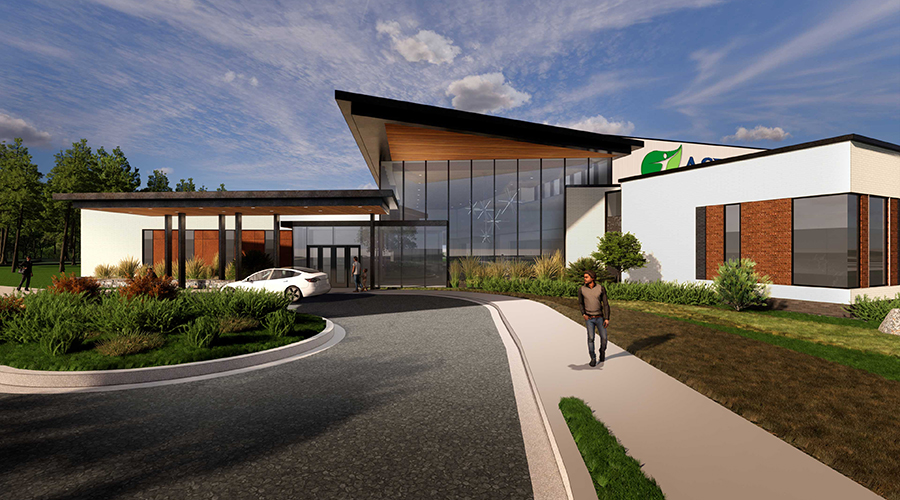 Aspirus Health Celebrates Opening of Chippewa Falls Hospital and Clinic
 AdventHealth to Open Aurora Highlands Medical Campus
 The Future of Healthcare Facility Construction Projects
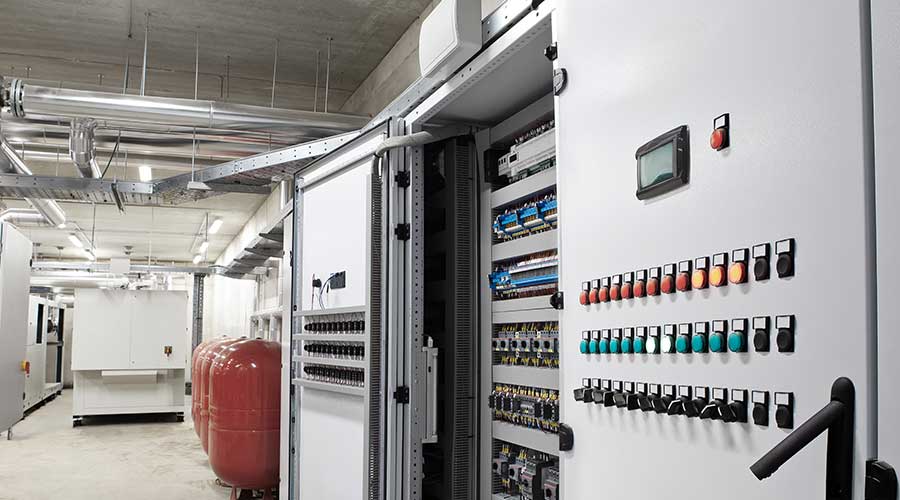 Arnprior Regional Health Upgrades Building Controls to Improve IEQ