
For nearly two decades, ePIPE has been serving customers in the D.C. Metro Region, protecting their properties from lead leaching, pinhole leaks and corrosion in their piping systems.
Properties protected by ePIPE include residential homes, schools, hotels, commercial buildings, naval vessels and even several DC Metro stations.
The ePIPE process restores pipes in-place, minimizing destruction typically associated with a traditional repipe, allowing occupants the option to stay on the property while the process is being performed. The ePIPE epoxy barrier coating cures in as little as 90 minutes, allowing for water to be turned back on the SAME DAY in most cases.
ePIPE technicians take great pride in their professionalism, attention to detail, and respect for customers’ property. Floors and work areas are protected. The ePIPE process is designed to be as minimally invasive as possible. When customers talk about their experience with ePIPE, there is typically a common theme – “It was as if they were never even there.”
 Cyberattack Results in Patient Reroutes at Anne Arundel Medical Center
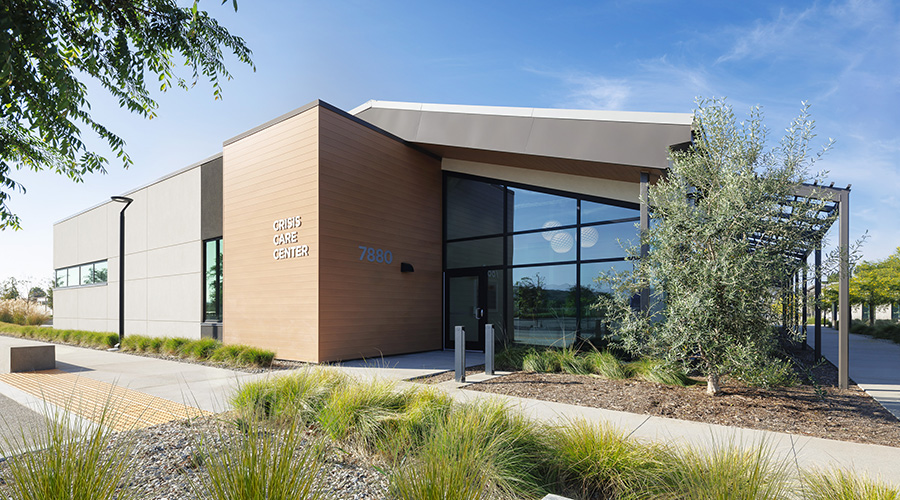 Tangram Furnishes Be Well OC Irvine Behavioral Health Campus
 Suntree Internal Medicine Reports Data Breach
 Why Healthcare Facilities Management Is Critical to Patient Safety
  Sanford Health and North Memorial Health Finalize Partnership