
Since the 1960s, the evolution of healthcare facilities building automation systems (BAS) follows the development of computers through the mainframe generation to the current small powerhouse servers used to support most systems, according to an article on the FacilityCare website.
Healthcare adopted BAS later than manufacturing. Healthcare evolved slowly during the first 60 to 70 years of the 20th century. The primary concern related to managing HVAC systems.
Medical sophistication drove the need for BAS sophistication — early systems helped maintain relative humidity at safe levels in operating rooms, where flammable anesthetics were still in use, the article said.
Today BAS manage the air exchange rates, temperatures, relative humidity and pressure differentials throughout hospital buildings. They also serve as the IT resource for some security, fire alarm and critical equipment monitoring functions.
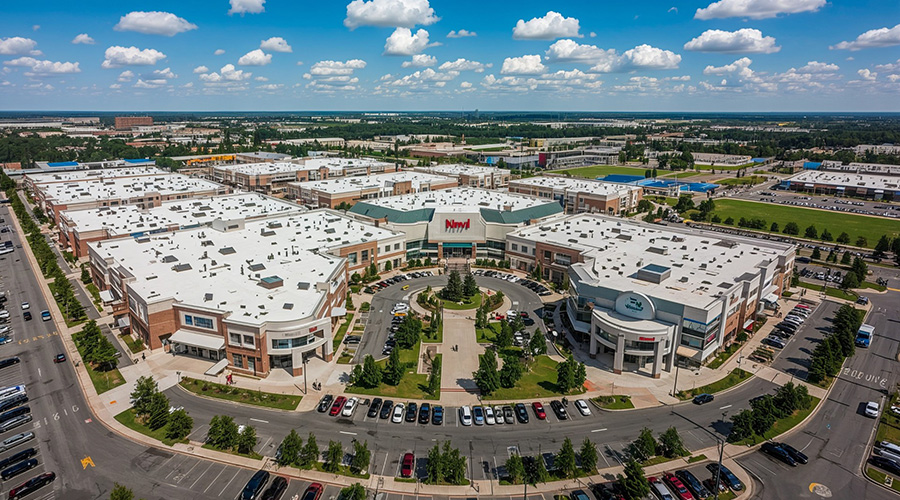 Healthcare Is the New Retail
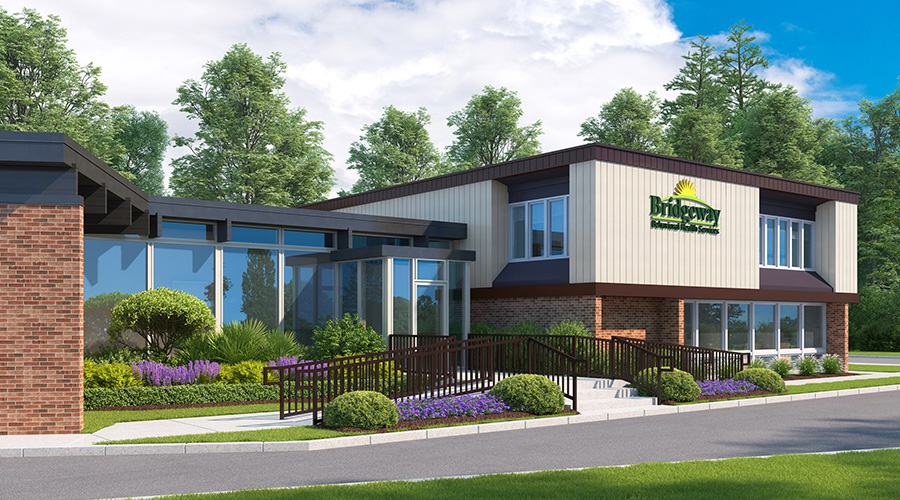 Bridgeway Behavioral Health Services Launches Campaign to Renovate Health Center
 Ground Broken for New North Dakota State Hospital
 AI Usage for Healthcare Facilities
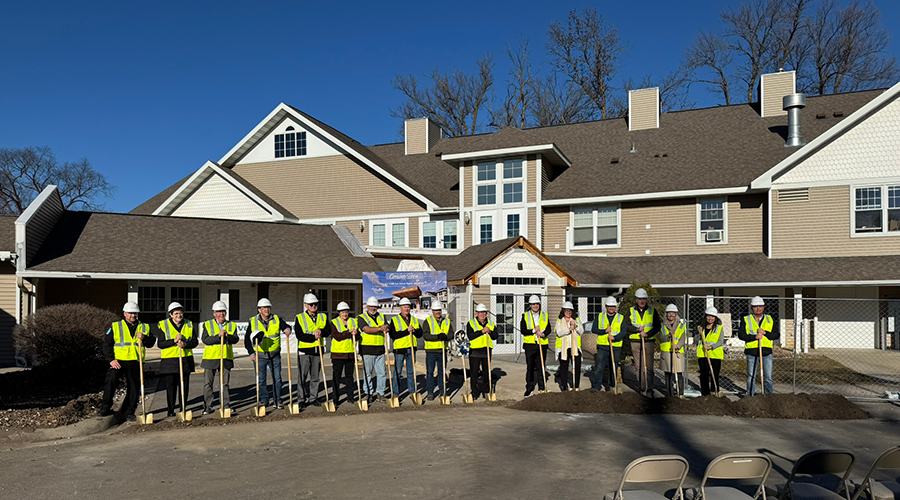 Ground Broken on Pelican Valley Senior Living Modernization Project