
A new study of heater-cooler devices suggests that the contamination of these devices may be more widespread than previously believed, according to an article on The Legal Examiner website.
The devices had been linked with Mycobacterium chimaera (M. chimaera) and Mycobacterium Abscessus (M. abscessus) infections, among others.
In the new study, researchers took water samples from 89 heater-cooler units that were in use in 23 hospitals in 14 states, the District of Columbia and Canada.
They found that 33 of the units (37 percent) tested positive for M. chimaera, while four more units were contaminated with Legionella, another type of bacteria that can cause Legionnaires’ disease (a severe form of pneumonia). Other strains of mycobacteria were also detected in many of the units, and 97 of the 653 water samples were deemed “uninterpretable” because of high levels of bacterial and fungal contamination, the article said.
 Emergency Preparedness: Building a Stronger Community
 Ground Broken on Lavine Bekenstein Cancer Hospital in Massachusetts
 Camden-on-Gauley Medical Center Reports Data Security Incident
 Elevating EVS Professionals: The Case for Certified Hygiene Specialists
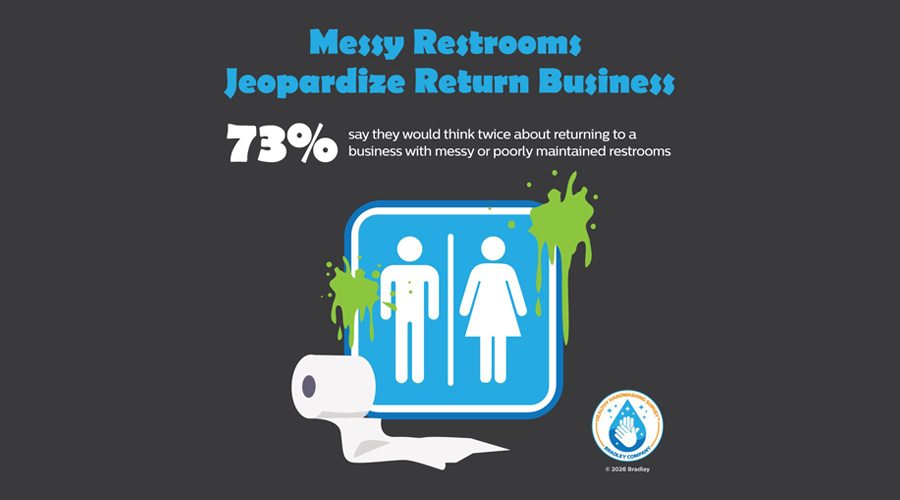 Global Handwashing Day and the Importance of Well-Maintained Restrooms