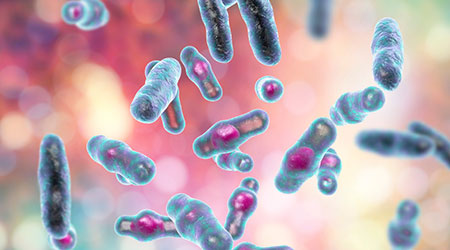
New research from MIT suggests the risk of becoming colonized by Clostridium difficile increases immediately following diarrhea and that the infection is more frequently acquired outside of hospitals, according to an article on the MIT News website.
A team of researchers has shown that GI disturbances can trigger susceptibility to colonization by C. difficile, and carriers remain C. difficile-positive for a year or longer.
The study found that carriers shed C. difficile in highly variable amounts day-to-day; the number of C. difficile cells shed in a carrier’s stool can increase by over 1,000 times in one day.
These recurrent blooms likely influence the transmissibility of C. difficile outside of hospitals.
 AI Usage for Healthcare Facilities
 Ground Broken on Pelican Valley Senior Living Modernization Project
 All-Electric UCI Health – Irvine Hospital Set to Open
 The Rising Strategic Value of Owner's Reps in Healthcare
 Lawrence Group Designs Pair of Ignite Medical Resorts in Missouri