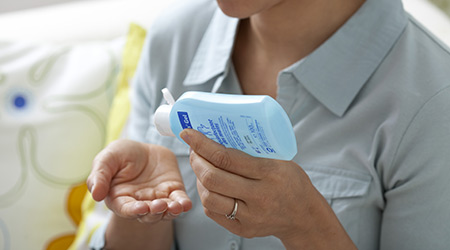
New research published by Science Translational Medicine shows that several strains of bacteria have begun adjusting to alcohol-based hand sanitizers, according to an article on the NPR website.
They're not resistant yet, but they're becoming "more tolerant." The bacteria were able to survive for longer periods of time after being doused with alcohol. The increasingly tolerant bacteria causes enterococcal infections that affect the digestive tract, bladder, heart and other parts of the body.
The researchers used different strengths of alcohol concentrations to combat the bacteria. It took a 70-percent alcohol mixture to eradicate the bacteria — hand sanitizers are usually 60 percent alcohol.
Many of these alcohol-tolerant bacteria are resistant to multiple drugs as well, the article said. Enterococci is most often found in hospitals. But this research has implications for any bacteria that may begin tolerating alcohol.
 AI Usage for Healthcare Facilities
 Ground Broken on Pelican Valley Senior Living Modernization Project
 All-Electric UCI Health – Irvine Hospital Set to Open
 The Rising Strategic Value of Owner's Reps in Healthcare
 Lawrence Group Designs Pair of Ignite Medical Resorts in Missouri