
Replacing frequently-touched surfaces with antimicrobial copper equivalents — teamed with good hygiene practices — could help address both the environmental spread of contamination and the rise of antibiotic resistance, according to an article on the News-Medical Net website.
Copper is a powerful antimicrobial with rapid, broad-spectrum efficacy against bacteria and viruses, and has been shown to kill disease-causing pathogens, including influenza A, E.coli and norovirus, and resistant bacteria including Methicillin-resistant Staphylococcus aureus (MRSA), Carbapenem-resistant Enterobacteriaceae (CRE) and Vancomycin-resistant enterococcus (VRE), the article said.
"We’ve shown that antimicrobial copper touch surfaces produce a rapid kill of bacteria, viruses and fungi, usually within minutes," said Professor Professor Bill Keevil, Chair in Environmental Healthcare at the University of Southampton.
"EPIC 3 — the national, evidence-based guidelines for preventing HCAIs in NHS Hospitals in England — recognize high-touch surfaces made from antimicrobial copper harbour 80-90 percent fewer bacteria than equivalent, non-copper surfaces. A multi-centre trial in the US further showed a concurrent 58 percent reduction in HCAIs in ICU rooms equipped with antimicrobial copper touch surfaces."
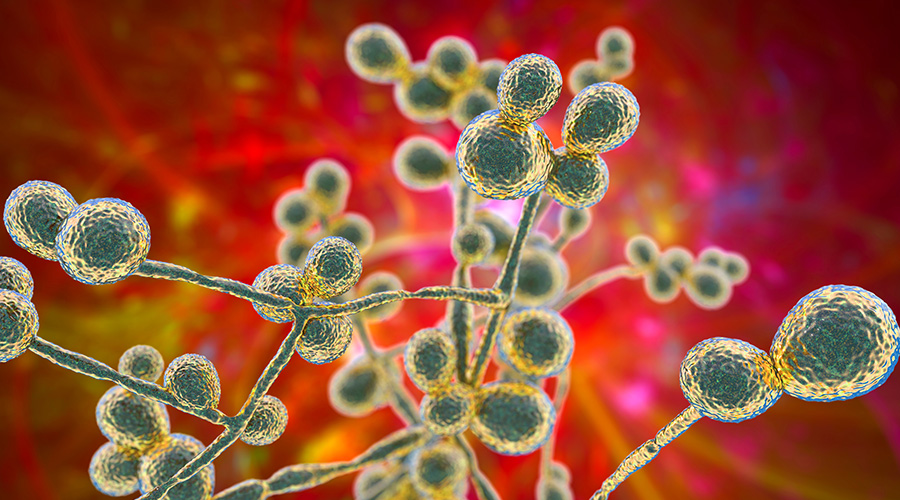 Mature Dry Surface Biofilm Presents a Problem for Candida Auris
 Sutter Health's Arden Care Center Officially Opens
 Insight Hospital and Medical Center Falls to Data Breach
 The High Cost of Healthcare Violence
 EVS Teams Can Improve Patient Experience in Emergency Departments