Hospitals and other healthcare facilities are complex operations with lots of moving pieces and evolving activities, so the challenge of keeping track of every asset is overwhelming. And that’s without a pandemic complicating nearly everything. That’s where a real-time location system (RTLS) can pay dividends for facility managers.
Also known as a real-time locating system, an RTLS can help hospital facilities professionals track key assets and save time, money and lives. But while primarily used for asset management, these systems are expanding into other areas such as contact tracing, which is especially important during the COVID-19 pandemic, according to Health Facilities Management.
Market penetration is about 25% of U.S. hospitals and growing, according to manufacturers that supply the nation’s health care facilities.
Asset management is the main RTLS service that provides maximum value for hospitals, manufacturers say. The automated tracking of staff, patients and equipment offers a demonstrable return on investment in terms of saving time, money and outcomes. Increasingly, existing RTLSs are being leveraged to improve patient workflow within hospitals and clinics.
Click here to read the article.
 Elevating EVS Professionals: The Case for Certified Hygiene Specialists
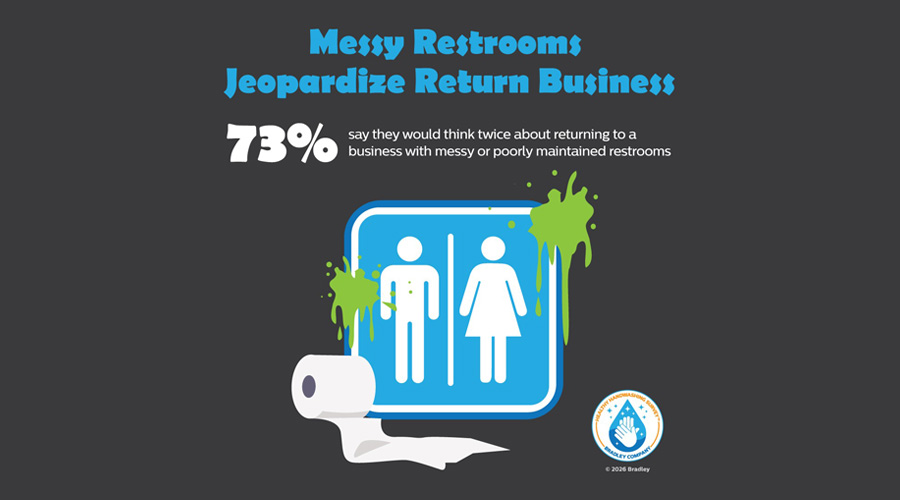 Global Handwashing Day and the Importance of Well-Maintained Restrooms
 Duke Health and CaroMont Health Partner to Develop Two New Hospitals
 Designing for the Psychology of Waiting
 UT Health Sciences Breaks Ground on College of Medicine Interdisciplinary Building