
The battle to control the spread of COVID-19 in recent months has increasingly focused on airborne transmission and the role of HVAC systems and air filtration in the process. This focus, however, shouldn’t overlook the continuing need for the more personal basics of containing the coronavirus — masks, social distancing and handwashing. Proper handwashing also is crucial for preventing hospital-acquired infections.
A small but growing number of hospitals are installing automated technology that promises to reduce hospital-acquired infections through a new Internet of Things approach to hand hygiene, according to HealthLeaders.
The Centers for Disease Control and Prevention (CDC) lists improving hand hygiene compliance as an optimal way to reduce healthcare-acquired infections in hospital facilities. A 2016 CDC study characterized average compliance with hand hygiene standards at less than 50 percent.
The new technology alternative uses near-field magnetic induction (NFMI) technology to verify that clinicians wash or sanitize their hands the proper amount of time, every time, at appropriate transitions of care. Due to its location accuracy, NFMI can do this with a far greater precision than previous technologies that rely upon RFID wireless technology.
The system pairs NFMI-powered sensors with NFMI-powered badges, upgrading badges already typically worn by clinicians. If clinicians don't wash or sanitize their hands when approaching a patient to touch them, or after touching them, sensors can silently record the fact that hands weren't washed for a sufficient amount of time.
Click here to read the article.
 Extreme Weather: The Maintenance-Resilience Link
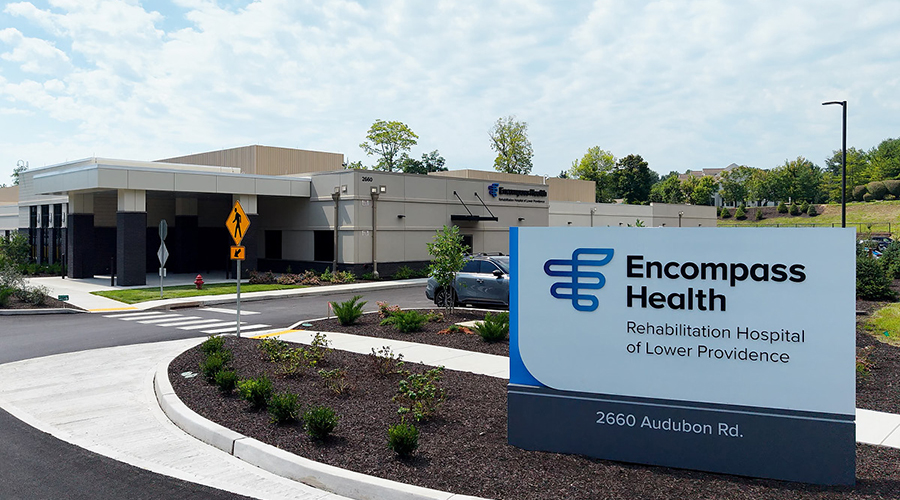 Encompass Health Lower Providence Opens in Pennsylvania
 Intermountain Health Acquires Fairbourne Building for Healthcare Hub and Medical Campus Conversion
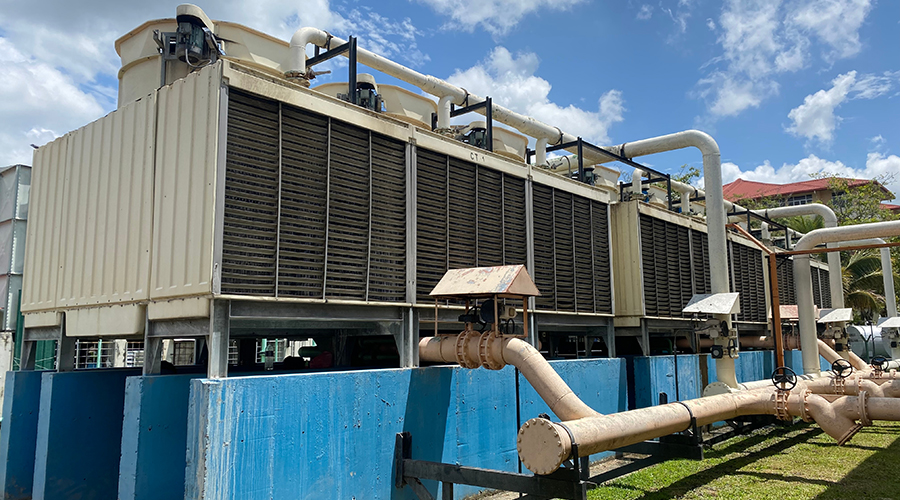 Cooling Towers at NYC Health + Hospitals/Lincoln Test Positive for Legionella
 Prefabricated Wall Panels Accelerate UCF Lake Nona Medical Center Construction