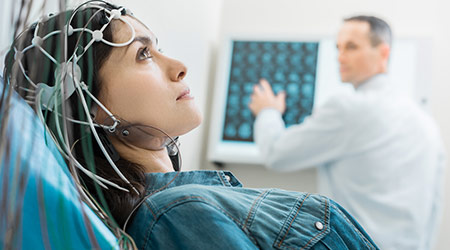
Many reusable electrodes believed to be clean and ready for the next patient could still harbor harmful pathogens, new research shows.
Microscopic traces of human tissues and bacteria have been identified on reusable EEG electrodes after they have been cleaned, according to an article on the Sleep Review website.
A study published in the American Journal of Infection Control in June showed that 25 percent of cleaned reusable electrodes still had bacteria present. Some of the bacteria were a potential risk for causing human infection.
The electrodes nooks and crannies are difficult to clean and the issue is further exacerbated because EEG sets typically include multiple lead wires and cup electrodes that may become entangled, making them even more difficult to clean, the study found.
 Cleanliness in Hospitals: Clinical Priority and Community Perception
 Dana-Farber Receives $50M Gift for Planned Cancer Hospital
 Clarinda Regional Health Center Reports Data Security Incident
 Gaps in Nurses' Environmental Cleaning Knowledge Grow Amid Rising EVS Pressures
 Ground Broken on the Southern Nevada Forensic Facility