
Healthcare facilities of all kinds rely on a steady supply of water to support and carry out critical processes and procedures. One challenge for facilities managers is ensuring that these sources of water remain free of potentially harmful contaminants that can endanger health.
A recent reminder of these dangers is an Oct. 31 health alert from the Centers for Disease Control and Prevention (CDC) concerning infections tied to contaminated dental waterlines provides an opportunity for dental teams to review already strong infection control practices.
The CDC reported it is investigating a March 2022 cluster of suspected nontuberculous Mycobacteria infections in children at an undisclosed location. The CDC said that while infections are rare, dental waterlines are susceptible to developing biofilms due to the “long, small-diameter tubing and low flow rates used in dentistry and the frequent periods of stagnation.”
The CDC’s health advisory contains recommendations and a list of resources for dental personnel to visit to learn more information. Some recommendations include:
- Use water that meets U.S. Environmental Protection Agency regulatory standards for drinking water for all non-surgical dental treatment output water.
- Consult with the dental unit manufacturer for appropriate methods and equipment to maintain the quality of dental water.
- Follow recommendations for monitoring water quality provided by the manufacturer of the unit or waterline treatment product.
- Use sterile saline or sterile water as a coolant or irrigant for surgical procedures.
- Provide staff training on how to properly maintain and monitor dental water quality.
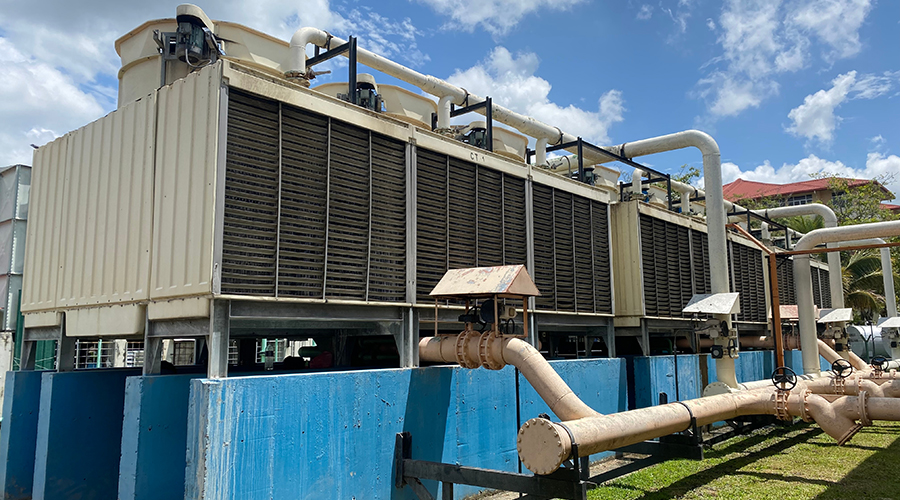 Cooling Towers at NYC Health + Hospitals/Lincoln Test Positive for Legionella
 Prefabricated Wall Panels Accelerate UCF Lake Nona Medical Center Construction
 University of Rhode Island Adds Clinical Space
 How Retail Design Principles Can Improve Healthcare Wayfinding
 Flexible Design Strategies Help OhioHealth Maximize Clinical Space