Focus: Life Safety Codes and Regulations

CMS changes to affect medical gas system regulations

The final version of NFPA 99, 2012 was upgraded from a standard to a code, while moving from occupancy-based to a risk-based approach of applying the requirements


The Centers for Medicare & Medicaid Services' (CMS) changes will affect medical gas system regulations for healthcare facilities, according to an article on the Health Facilities Management website.

The final version of NFPA 99, 2012 was upgraded from a standard to a code, while moving from occupancy-based to a risk-based approach of applying the requirements. 

CMS said it will be requiring hospitals and healthcare facilities to meet the new conditions of participation, which include adherence to the 2012 edition of the National Fire Protection Association’s NFPA 99, Health Care Facilities Code. 

The Joint Commission and other accreditation agencies are following suit, and the Joint Commission has a working draft of new elements of performance for the medical gas and vacuum systems included in the environment of care section of the accreditation manual, the article said.

Read the article.


December 20, 2016


Topic Area: Regulations, Codes & Standards


Recent Posts

Harris Health to Build New Freestanding Cancer Center

The center is planned to open in 2029, following the opening of the new O'Quinn Hospital along the North Loop at Lockwood.


Inland Empire Health Plan Opens Expanded San Bernardino Community Wellness Center
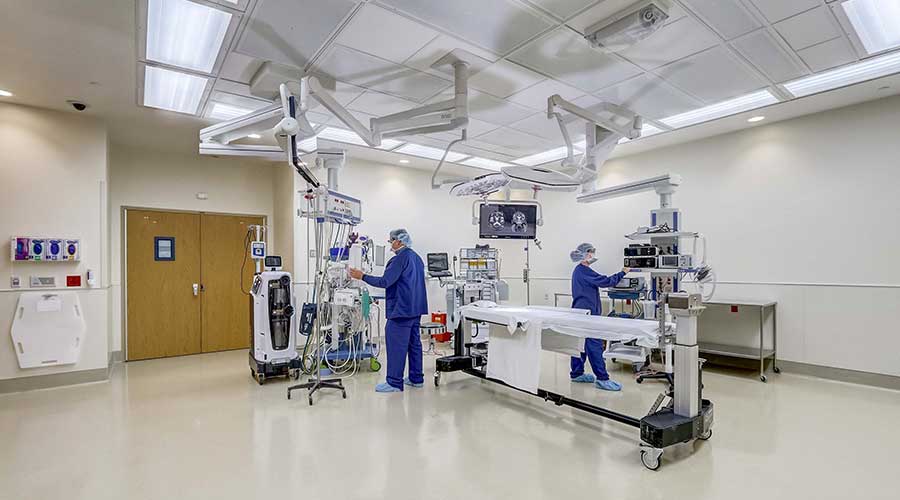
The new 33,000-square-foot center is nearly three times the size of the original location off Second Street.


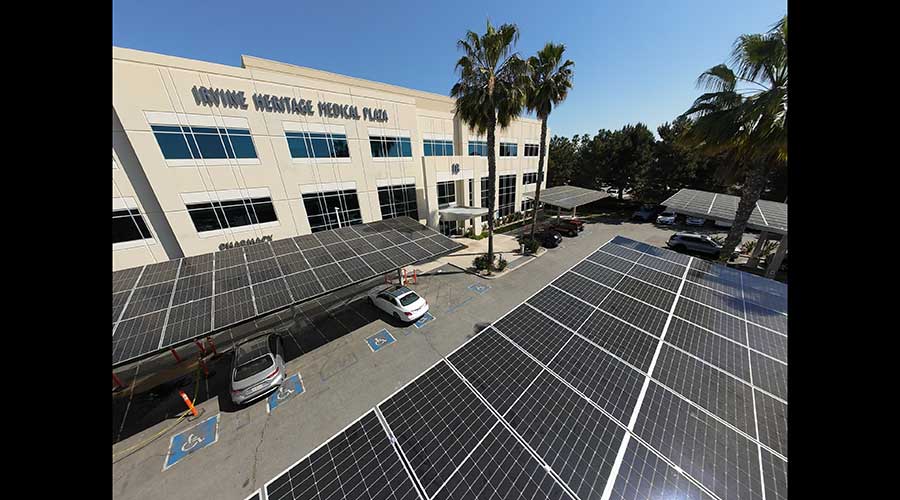
Rethinking Parking Lot Design at Irvine Heritage Medical Plaza
A new solar installation shows how healthcare facilities can improve parking amenities while boosting energy savings


Repurposing Healthcare Spaces: 5 Critical Questions

Done well, converting existing spaces can trim upfront project costs by up to 40 percent, compared with ground-up construction


Disinfectant Contact Time: The Case for Biofilm Disruption

Contact time, while essential for compliance, does not reliably predict microbial reduction on actual healthcare surfaces.


FREE Newsletter Signup Form

News & Updates | Webcast Alerts
Building Technologies | & More!


All fields are required. This site is protected by reCAPTCHA and the Google Privacy Policy and Terms of Service apply.