
Chlorine may not be completely eliminate pharmaceuticals during waste treatment, according to an article on the Infection Control Today website.
Early studies are showing that chlorine treatment may encourage the formation of new antibiotics that could also enter the environment, potentially contributing to antibiotic resistance, the article said.
“Treated wastewater is one of the major sources of pharmaceuticals and antibiotics in the environment,” said Olya Keen, PhD. “Wastewater treatment facilities were not designed to remove these drugs. The molecules are typically very stable and do not easily get biodegraded. Instead, most just pass through the treatment facility and into the aquatic environment.”
But besides failing to remove all drugs from wastewater, sewage treatment facilities using chlorine may have the unintended consequences of encouraging the formation of other antibiotics in the discharged water.
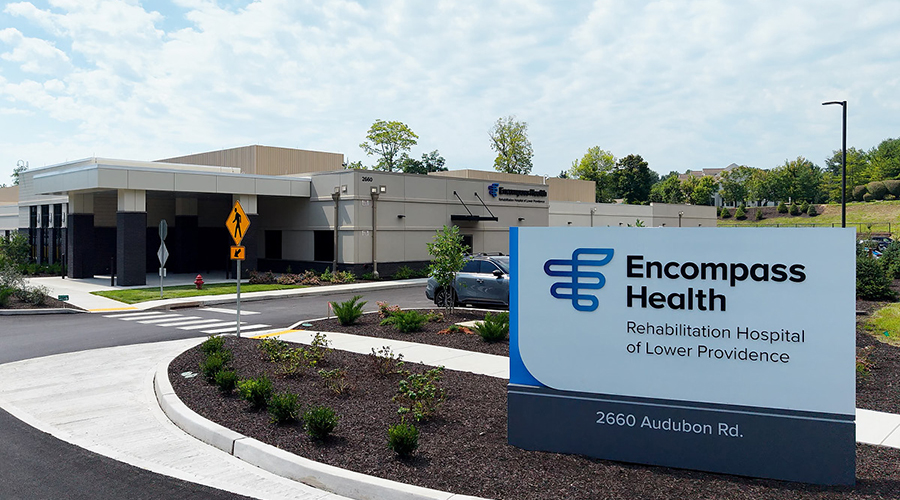 Encompass Health Lower Providence Opens in Pennsylvania
 Intermountain Health Acquires Fairbourne Building for Healthcare Hub and Medical Campus Conversion
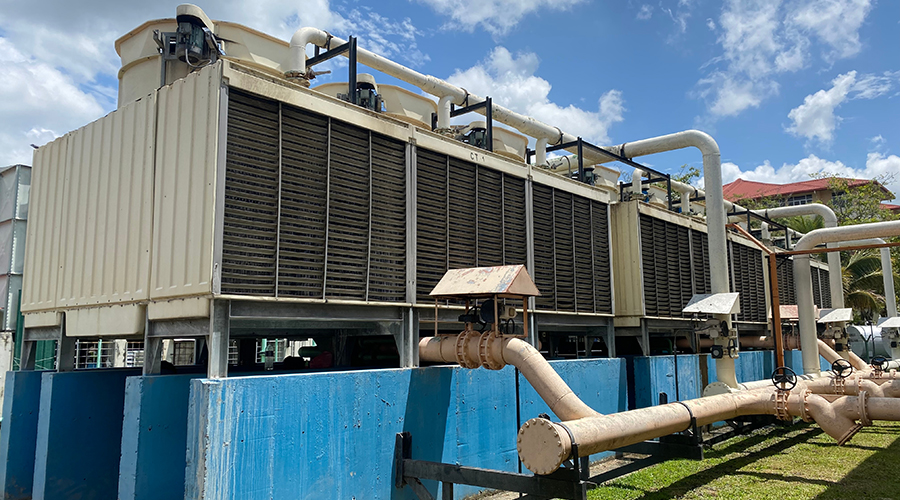 Cooling Towers at NYC Health + Hospitals/Lincoln Test Positive for Legionella
 Prefabricated Wall Panels Accelerate UCF Lake Nona Medical Center Construction
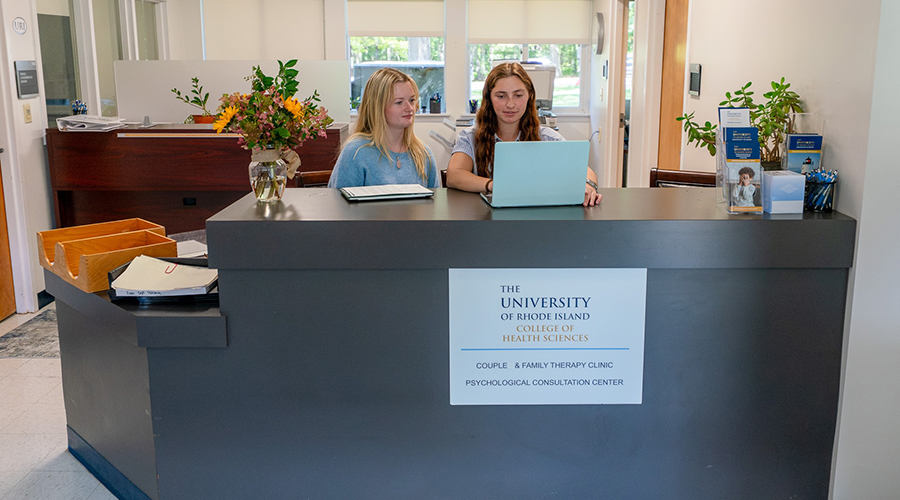 University of Rhode Island Adds Clinical Space