
Hybrid continuing care facilities offer independent living apartments, assisted-living support, home care, a nursing home and often specialized memory care, according to an article on The New York Times website.
A resident can “age in place” and obtain additional services as that person becomes more frail and dependent.
Continuing care communities often have complex contracts. Some may require a deposit of up to $1 million, while others may charge only monthly fees. Refunds may be difficult to obtain and depend upon the length of stay and other requirements, the article said.
Thirty states have regulations that govern continuing care retirement communities (C.C.R.C.s). But the independent living sections rarely have rigorous oversight.
The nursing homes in some C.C.R.C.s are not Medicaid certified and it’s not clear what C.C.R.C.s have to disclose.
 Creating Healthcare Campus Master Plans That Allow Movement and Respite
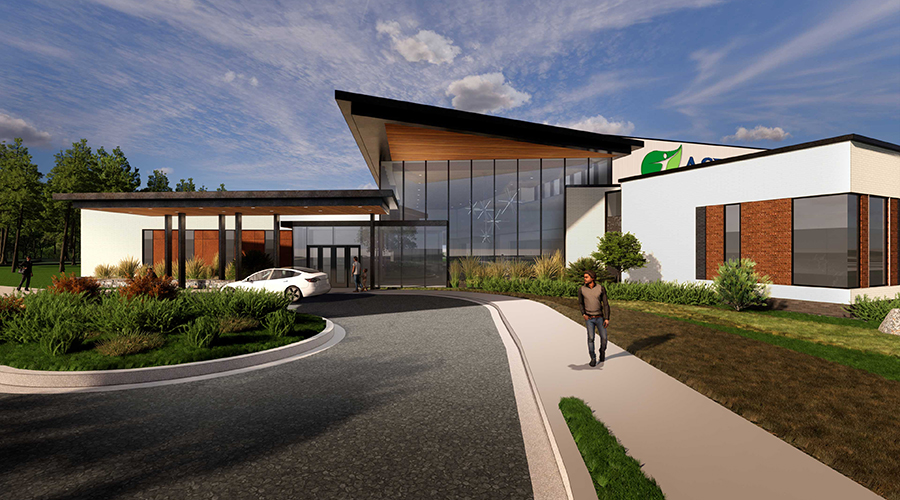 Aspirus Health Celebrates Opening of Chippewa Falls Hospital and Clinic
 AdventHealth to Open Aurora Highlands Medical Campus
 The Future of Healthcare Facility Construction Projects
 Arnprior Regional Health Upgrades Building Controls to Improve IEQ