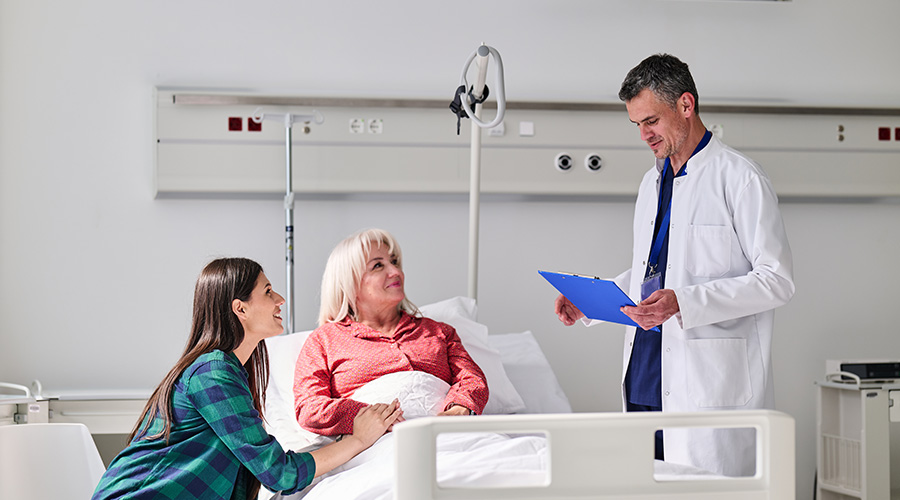
As healthcare systems work to improve patient outcomes and operational resilience, one critical group often remains overlooked: caregivers. Spouses, partners and family members play a central role in supporting patients, but the physical, emotional and logistical demands of caregiving can take a significant toll on their own health and well-being.
For many, providing care begins unexpectedly and evolves into a long-term responsibility. Over months and sometimes years, caretakers might find themselves coordinating medical appointments, managing complex medication schedules, navigating shifting health conditions and providing continuous emotional support for their loved ones.
Despite the essential role they play in supporting patients, caregivers are rarely considered in the design of healthcare environments. Designers typically plan facilities around clinical efficiency and patient care, leaving loved ones to navigate spaces that offer little dedicated support for their needs.
This situation presents an important opportunity for healthcare designers to rethink the priorities of healthcare environments. By intentionally integrating zones that support rest, guidance and practical needs, designers can create settings that enhance patient outcomes and support the health and resilience of caregivers.
Applying wellness to caregiver spaces
As caregivers take on increasingly complex responsibilities, designers are challenged to create environments that help sustain their well-being. Those supporting loved ones often need the most support themselves in the small, everyday moments of care. Spaces designed specifically for decompression embedded in the healthcare facilities can help reframe rest as a habit rather than an afterthought.
Access to natural light, biophilic elements, ergonomic furniture and thoughtfully designed quiet zones are features that help caregivers manage stress and maintain focus during long or emotionally demanding days. Incorporating decompression rooms and technology-free lounges provides dedicated places to pause, reflect and reset without leaving the facility.
Smaller interventions, including phone rooms where family members can take a phone call or review emails, also can relieve stress by allowing loved ones to stay connected to their work and personal lives. Designers must consider these support spaces from the earliest stages of planning to ensure they are properly sized and fully integrated into the facility. By doing so, they create environments that foster resilience and sustain caregivers.
Practical design interventions
Integrating practical resources and intuitive systems directly into these healthcare environments also can help ease daily pressures. For example, medication management is a common stressor for some caregivers. Dedicated hubs with pre-packaged, clearly labeled daily doses minimize errors and lighten cognitive load, allowing caregivers to focus on the person rather than the logistics.
As patients transition from hospital to home care, designing spaces to support a detailed discharge process can make a significant difference for those taking over the delivery. While discharge training typically focuses on patients, extending it to caregivers improves outcomes by sharing critical knowledge and reducing stress at home.
Related Content: What Caregivers Want from Their Workspaces
These areas can accommodate training and instruction for patients and caregivers on medication protocols, wound care, dietary guidance and therapeutic exercises. By reserving space for this purpose, nurses, physical therapists and occupational therapists can ensure caregivers are equipped to support continued rehabilitation.
As the patient’s condition evolves, the role of caregivers does, too. Ongoing therapy or coaching spaces give caregivers a place to process changes, learn how to adapt to new challenges and prepare emotionally for disease progression. These rooms are designed to support cognitive tasks and offer an alternative to the traditional therapist’s couch, inviting dialogue and supporting deeper processing. Thoughtful design of these areas helps them feel more connected and equipped to manage what lies ahead.
Nutrition is another area where caregivers often put their own well-being on the back burner. Hospitals do not always promote healthy habits through vending machines or cafeterias. Strategies such as whole-food access, clear labeling and thoughtful merchandising can guide better choices without adding to a caregiver’s already demanding decision-making. Access to dietitians, wholesome meal options and healthy vending supports energy and overall wellness, while integrated transportation services, such as on-site car or shuttle coordination, reduce physical strain and scheduling stress.
Creating spaces that recharge
One of the most impactful forms of relief comes through adult daycare and respite programs that go deeper than day-to-day design interventions. When caregivers know their loved ones are safe, engaged and supervised, they gain more freedom to rest, attend appointments or simply recharge without constant anxiety.
For designers, these programs offer an opportunity to create destinations rather than institutional afterthoughts. Warm, inviting environments that are socially engaging and thoughtfully integrated with healthcare campuses or community settings can transform the caregiver experience.
Historically, families often had no choice but to leave loved ones in hospitals during holidays or vacations because no other options existed. Today, assisted living centers and nursing homes provide these services with varying levels of care depending on a patient’s needs. Memory care facilities are also emerging as strong options for older adults showing early signs of dementia.
Extended respite programs are especially critical for caregivers who have been supporting patients for months or years. Whether lasting a week or longer, these stays allow caregivers to fully step away, recharge and return with renewed capacity. Architecture plays an essential role in these transitions. Spaces designed at a residential scale with intuitive layouts, calming materials and thoughtful transitions help caregivers feel confident leaving their loved ones in someone else’s care.
Hopefully, some of these models will adopt a more hospitality-like approach, elevating the design aesthetic while delivering essential healthcare, similar to age-in-place senior living models that adapt as residents’ medical needs evolve.
The next frontier in healthcare design recognizes caregivers as essential users of healthcare environments. By embedding spaces for rest, therapy, nutrition and logistical support, designers can help caregivers maintain resilience and well-being, ultimately benefiting the patients they serve.
Caregiver-centered design is not just a compassionate approach. It is a strategic investment in the sustainability of care delivery. Thoughtful, intentional design transforms patient support from an afterthought into a core element of operational and human-centered excellence. When healthcare environments are designed to meet the needs of caregivers as well as patients, everyone who relies on the system experiences better outcomes.
Al Thompson is managing executive at TPG Architecture.
 Preparing Healthcare Facilities for Wildfire Air Quality Events
 UW Health Set to Open Expansion at East Madison Hospital
 Central Ohio Primary Care Physicians Falls Victim to Cyberattack
 The Role of Biophilic Design in Healthcare Facilities
 TriStar Centennial Medical Center Invests $90M in Women, Children's Hospital Expansions