
Evidence-based design should be part of behavioral healthcare projects, because such facilities must be designed with the distinct needs of patients in mind, according to an article on the FacilityCare website.
The field’s best practices answer such questions as: How many patients should occupy a unit? How can nurses’ stations be open to enhance interaction while providing closed spaces to ensure safety?
Understanding the factors that influence design is crucial, both for therapeutic outcomes and for risk management, the article said.
There is no one-size-fits-all approach when it comes to behavioral healthcare design. How individual patients experience their environment is only one aspect designers must consider.
 Elevating EVS Professionals: The Case for Certified Hygiene Specialists
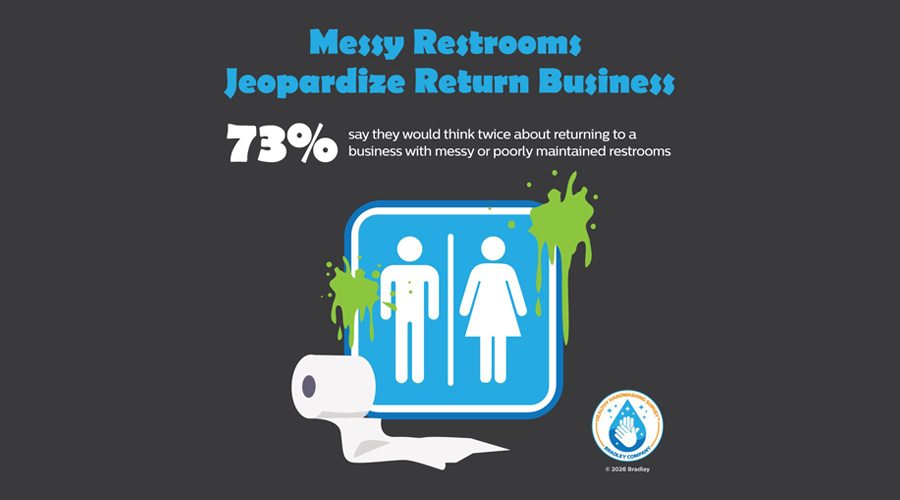 Global Handwashing Day and the Importance of Well-Maintained Restrooms
 Duke Health and CaroMont Health Partner to Develop Two New Hospitals
 Designing for the Psychology of Waiting
 UT Health Sciences Breaks Ground on College of Medicine Interdisciplinary Building