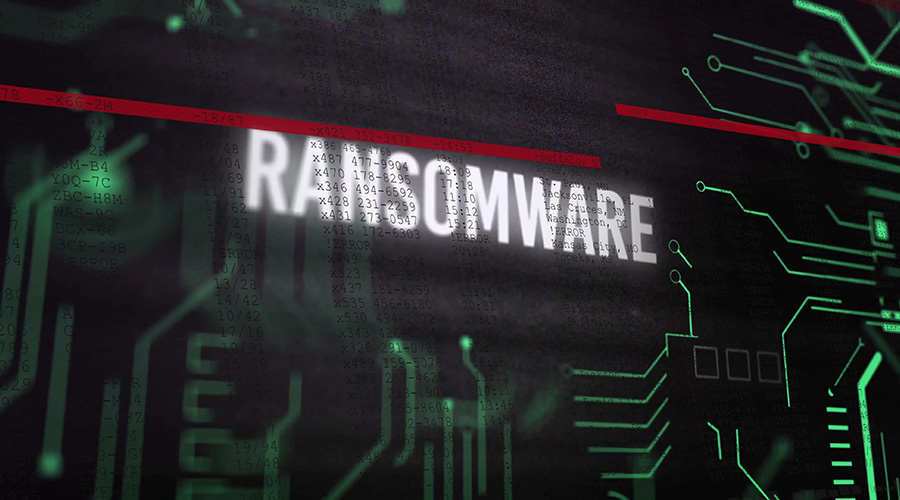
Ransomware attacks targeting healthcare organizations reached a record high in the third quarter of 2026, averaging 3.33 attacks per day, according to a recent report from Comparitech.
The report documented 306 ransomware attacks against healthcare organizations in Q3, a 40 percent increase from the 219 attacks recorded in Q2 2026. The total also more than doubled compared to the 151 attacks reported during the same period in 2025.
Of the reported attacks, 192 targeted direct-care providers, including hospitals and clinics, while 114 targeted healthcare-related businesses, such as pharmaceutical manufacturers, medical billing providers and healthcare technology companies. Attacks against direct-care providers increased 42 percent quarter over quarter, compared to a 36 percent increase among healthcare businesses.
Healthcare technology companies experienced one of the sharpest increases, with reported attacks rising 175 percent from eight in Q2 to 22 in Q3. Healthcare manufacturers also remained a significant target, experiencing 51 attacks, up from 40 the previous quarter.
HFT Recommends: 3 Pillars of Stronger Cybersecurity in Healthcare
Comparitech identified 53 confirmed attacks across both categories, with 618,149 patient records known to have been breached in confirmed attacks against healthcare providers. The median ransom demand was $300,000 for providers and $150,000 for healthcare businesses. No ransom payments were officially confirmed during the reporting period.
The largest reported healthcare breach involved Saber Healthcare Group, which notified more than 427,000 individuals of a data breach involving medical information, health insurance details and Social Security numbers. Other significant incidents included Park Place Behavioral Healthcare, which reported 71,702 affected individuals and Hawaii Family Dental, which reported 45,853.
The United States accounted for the largest share of attacks, with 185 reported incidents, a 64 percent increase from Q2. Canada and India followed with 10 and nine attacks, respectively.
Healthcare also experienced a greater increase in ransomware activity than other industries. Comparitech's broader Q3 2026 report found that ransomware attacks across all sectors increased 29 percent from the previous quarter and 61 percent year over year.
For healthcare facility managers, the increase underscores the importance of treating cybersecurity as part of broader facility resilience. Hospitals and other care providers rely on interconnected building systems, medical equipment and digital infrastructure to maintain operations, making cybersecurity planning and coordination between facilities and IT teams essential to limiting disruptions during an attack.
Jeff Wardon, Jr., is the assistant editor for the facilities market. With more than three years of experience, he covers topics including technology, wellness, sustainability and emerging industry trends. Connect with him on LinkedIn.
 Bon Secours Mercy Health Acquires Fauquier Health
 Novant Health Completes Acquisition of Northern Regional Hospital
 Hospitals as Energy Microgrids: Ensuring Power Grid Independence
 Baystate Health Integrates Baystate Mercy Hospital into System