
Nearly everything in healthcare facilities has changed in the last year in response to COVID-19. In some cases, things have changed several times. Consider the case of entryways, where facility managers have updated and adapted procedures and processes repeatedly as the pandemic unfolded.
Temporary physical changes might include installing temporary barriers, creating temporary screening locations, repurposing spaces, using temporary structures and more. Often, these changes create situations that are not in strict compliance with NFPA 101, Life Safety Code, according to Health Facilities Management.
Organizations should already have in place a process to assess the need for and implement Alternative Life Safety Measures (ALSM) or, in Joint Commission-accredited facilities, Interim Life Safety Measures (ILSM). Managers can use the life safety risk assessment and mitigation process already in place, as physical changes are anticipated in response to the pandemic. For facilities that have an ALSM or ILSM risk-assessment process already in place, use that as the foundation.
 Extreme Weather: The Maintenance-Resilience Link
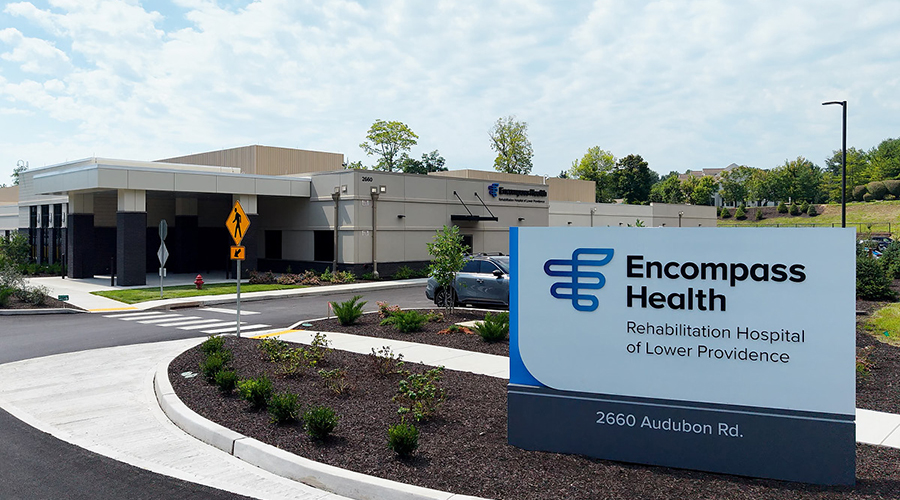 Encompass Health Lower Providence Opens in Pennsylvania
 Intermountain Health Acquires Fairbourne Building for Healthcare Hub and Medical Campus Conversion
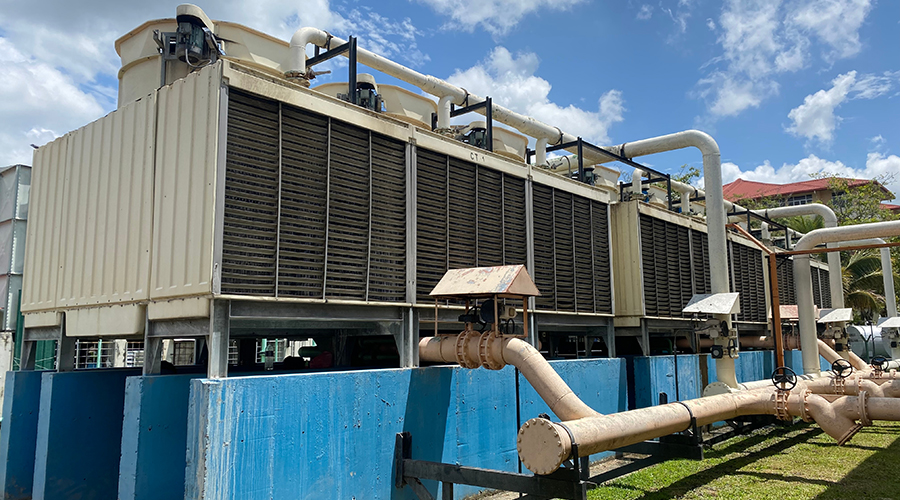 Cooling Towers at NYC Health + Hospitals/Lincoln Test Positive for Legionella
 Prefabricated Wall Panels Accelerate UCF Lake Nona Medical Center Construction