
With pressures increasing on all fronts, healthcare facilities are launching initiatives to improve the well-being of their doctors, nurses, and administration staff, according to an article on the Cincinnati Business Courier website.
To support a 360-degree view of wellness, healthcare facilities are introducing their own versions of on-site services, recreation, and design elements. Kaiser Permanente’s “Culture of Health” is one example.
The health system introduced a broad range of programs to support employee well-being, including initiatives for eating well and moving more, mental health and wellness tools, and professional development focused on career advancement and leadership skills. 
Other strategies include:
* Access to healthier food options in cafés
* Private wellness rooms where staff can retreat to rest and recharge
* Building designs that accentuate natural light and fresh air
 Cooling Towers at NYC Health + Hospitals/Lincoln Test Positive for Legionella
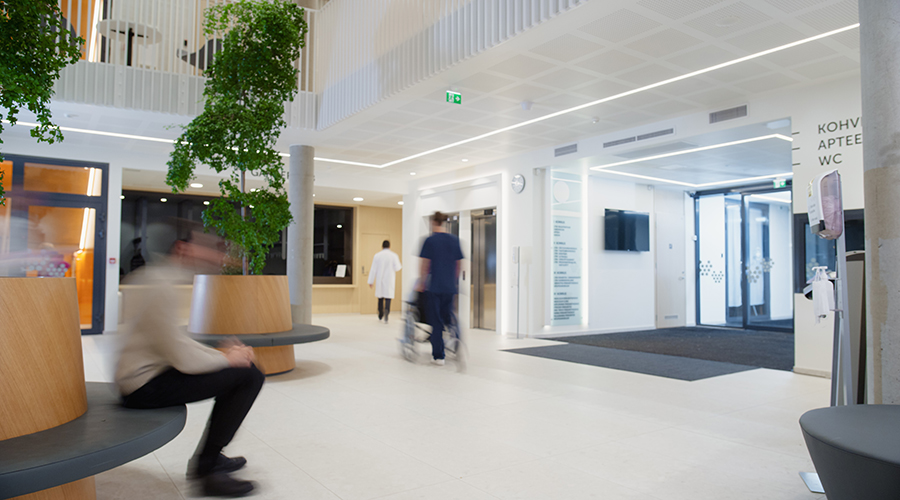 Prefabricated Wall Panels Accelerate UCF Lake Nona Medical Center Construction
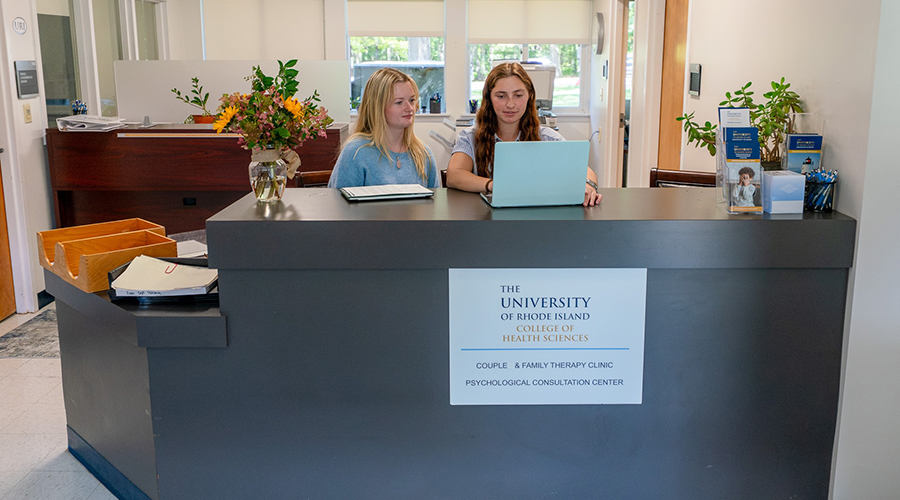 University of Rhode Island Adds Clinical Space
 How Retail Design Principles Can Improve Healthcare Wayfinding
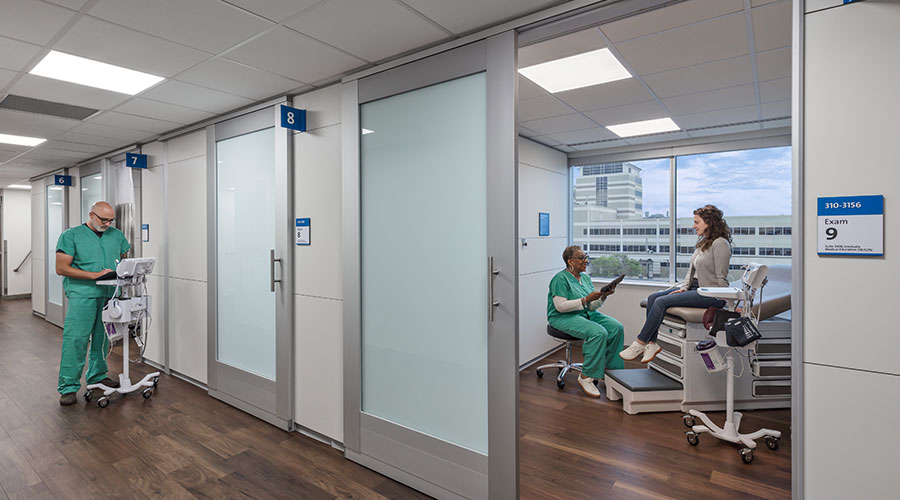 Flexible Design Strategies Help OhioHealth Maximize Clinical Space