
Tomorrow's healthcare facilities will prioritize operational improvements, sustainable design methods, new methods for delivering care at a community level and research initiatives, according to an article on the Medical Construction & Design website.
Healthcare providers are looking at the science behind patient/provider interactions and facilities are using this data to inform everything from space layout to staffing needs and wait times.
For instance, the design team for William P. Clements Jr. University Hospital at UT Southwestern Medical Center in Dallas, Texas asked “What’s best for the patient?” The answer was found in a W-shaped design.
The W improves navigation, gives clinicians closer interactions with patients, promotes collaboration by co-locating medical specialties and minimizes patient exposure to noise and other infections, according to the article.
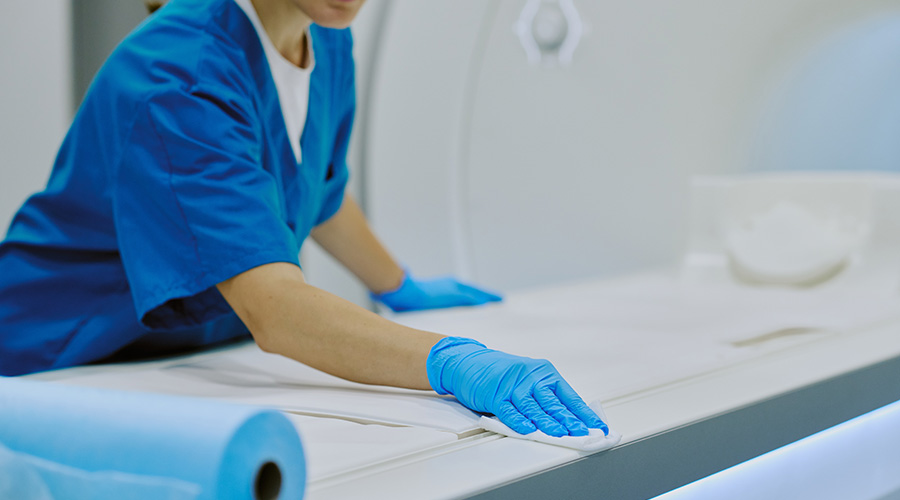 What 'Light' Daily Cleaning of Patient Rooms Misses
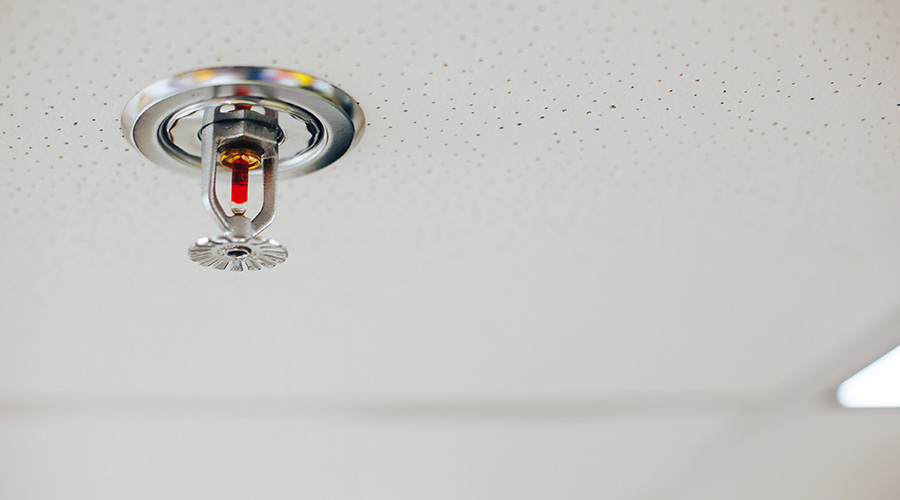 Sprinkler Compliance: Navigating Code Mandates, Renovation Triggers and Patient Safety
 MUSC Board of Trustees Approves $1.1B South Carolina Cancer Hospital
 Study Outlines Hand Hygiene Guidelines for EVS Staff
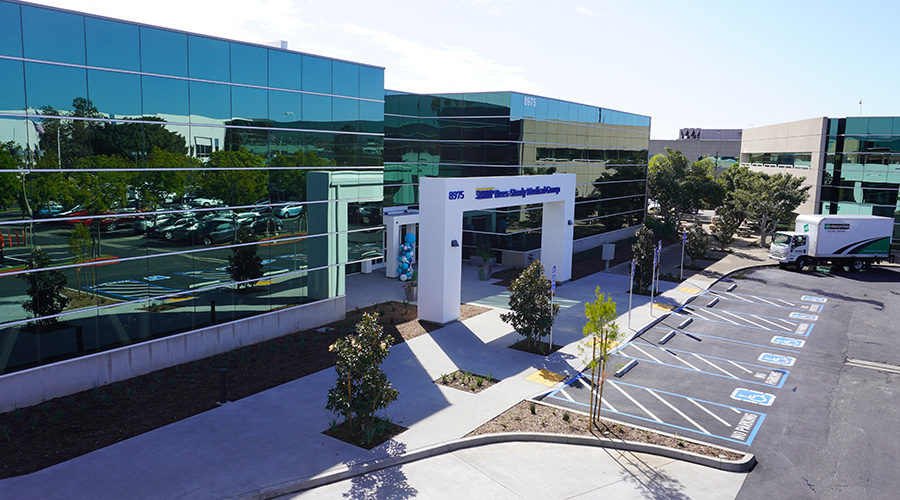 McCarthy Completes $65M Sharp Rees-Stealy Kearny Mesa MOB Modernization