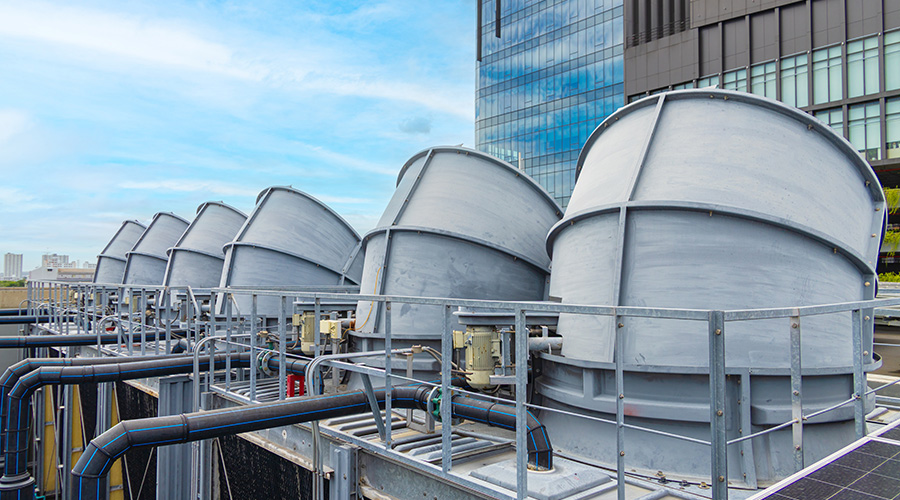
A Legionnaires’ disease outbreak in Harlem has been traced to cooling towers at Harlem Hospital and a nearby city-run building, killing seven people and sickening more than 100, NBC New York reports. The outbreak has raised concerns about cooling tower maintenance in healthcare facilities.
Cooling towers help regulate temperature and support air circulation in both patient care and administrative areas, according to LiquiLogic. In large medical campuses with multiple wings or facilities, keeping these systems properly maintained is essential to ensure reliable climate control and healthy indoor air.
As critical as they are cooling towers can be potential breeding grounds for Legionella bacteria. Hospitals are especially vulnerable to this given their patient populations.
The most recent outbreak isn’t the first time the hospital has been linked to Legionnaires’ disease, either, NBC New York reports. In 2021, Harlem Hospital was tied to another outbreak, raising questions about the effectiveness of prevention measures and compliance with existing regulations.
Related Content: Preventing Legionella Bacteria Proliferation in Water Heaters
Following the latest incident, New York City officials announced they’re reviewing the city’s cooling tower laws. Currently, the law requires testing for Legionella every 90 days along with regular monitoring and inspections, AP News reports. Proposed changes include shortening the testing interval to every 30 days, increasing fines for violations and expanding inspection capacity. The city also pledged to strengthen rapid-response teams and community engagement efforts when clusters emerge.
The CDC recommends cleaning and disinfecting cooling towers as directed while following manufacturer recommendations. The agency suggests regularly monitoring water quality parameters, using the performance of the water management program or Legionella control indicators as a guide. Adjust how often tests are based on system stability – if readings are consistent, standard intervals may suffice. However, if results fluctuate, increase testing frequency to catch potential issues early.
The CDC recommends the following actions:
- Run the cooling tower systems at the lowest possible water temperature. Operate below the most favorable Legionella growth range (77 to 113 degrees Fahrenheit, or 25 to 45 degrees Celsius) if possible.
- Automate anti-corrosion, anti-scale and disinfectant addition and monitoring.
- Flush out low-flow pipe runs and dead legs at least twice weekly. Balance operating times among cooling towers when multiple towers or cells exist.
- Implement an automated blowdown to maintain system water quality.
- Consider filtering to reduce the level of suspended solids in the cooling water. Base the decision on system factors such as cooling tower location and particle load.
- Regularly monitor water service disruptions and develop plans to respond appropriately.
- Maintain paperwork through keeping site-specific log sheets, test procedures, service reports and test results on site.
- Routinely test for Legionella.
Jeff Wardon, Jr., is the assistant editor for the facilities market.
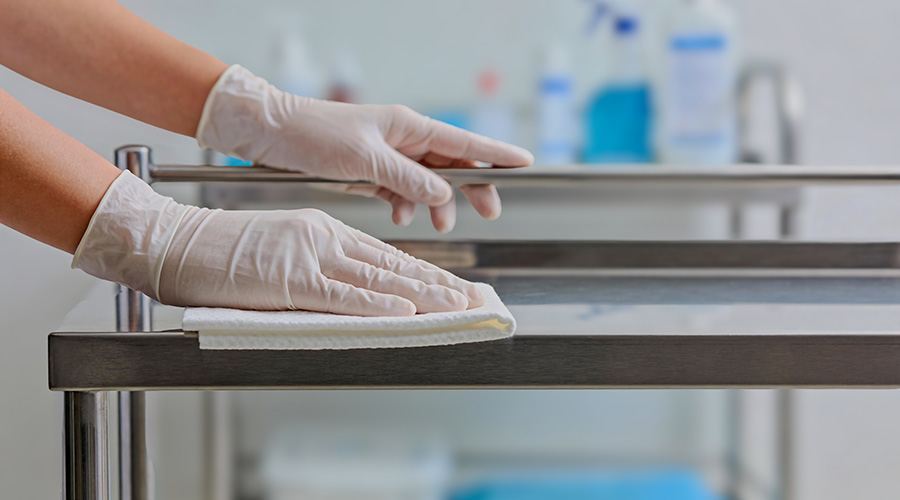 Cleanliness in Hospitals: Clinical Priority and Community Perception
 Dana-Farber Receives $50M Gift for Planned Cancer Hospital
 Clarinda Regional Health Center Reports Data Security Incident
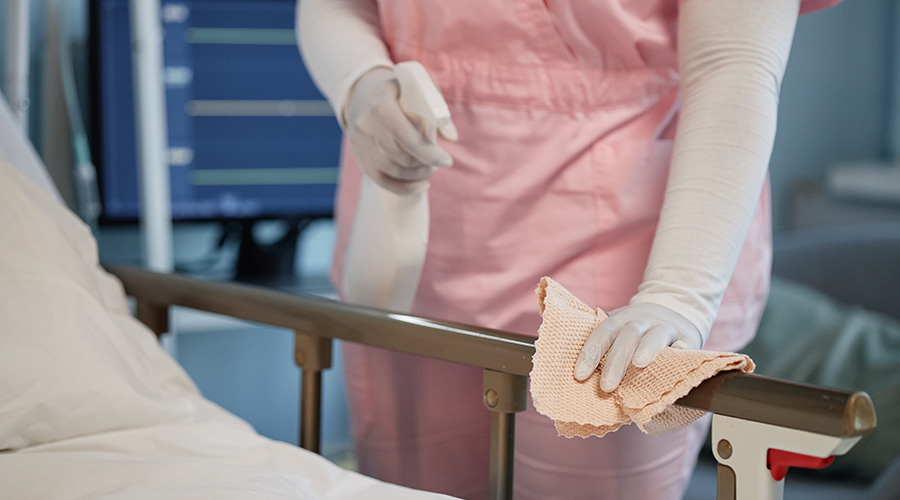 Gaps in Nurses' Environmental Cleaning Knowledge Grow Amid Rising EVS Pressures
 Ground Broken on the Southern Nevada Forensic Facility