
Healthcare facilities should create leaner working environments to help providers to move toward a more cost-effective delivery model, according to an article on the Healthcare Construction + Operations website.
Healthcare leaders need to identify financing mechanisms that will limit their initial capital investment and enable them to cost-effectively use facilities over the next five to 10 years, the article said.
A lease-back arrangement with a developer for an urgent care facility is one example. If the market changes and the facility is no longer cost-effective, the healthcare organization is not saddled with it.
Healthcare organizations should think like a commercial real estate company, which considers in advance how it will profitably leverage a building.
 Extreme Weather: The Maintenance-Resilience Link
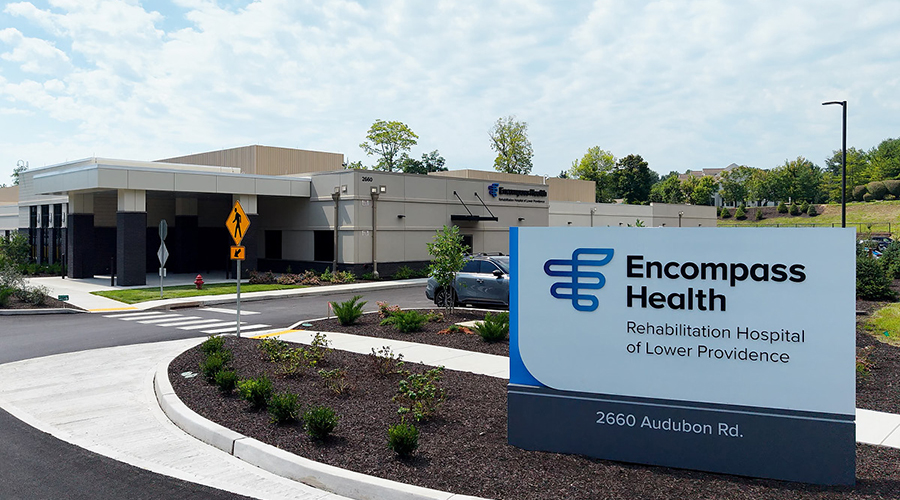 Encompass Health Lower Providence Opens in Pennsylvania
 Intermountain Health Acquires Fairbourne Building for Healthcare Hub and Medical Campus Conversion
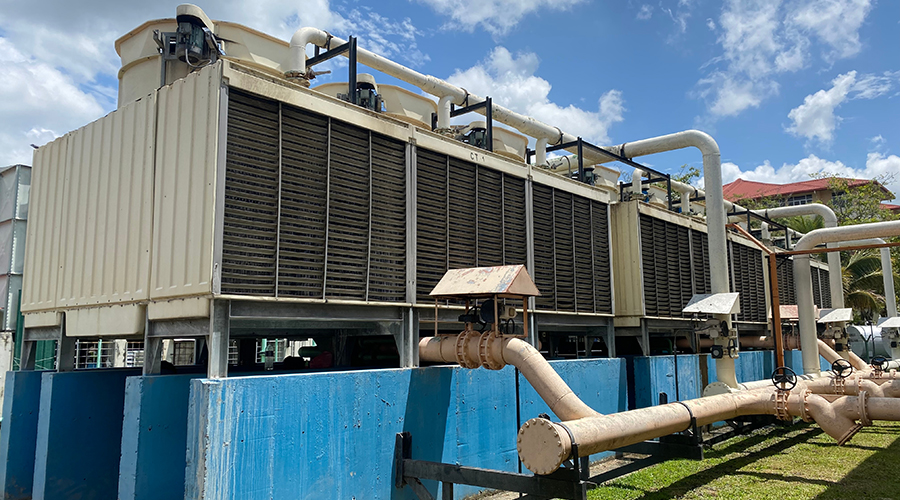 Cooling Towers at NYC Health + Hospitals/Lincoln Test Positive for Legionella
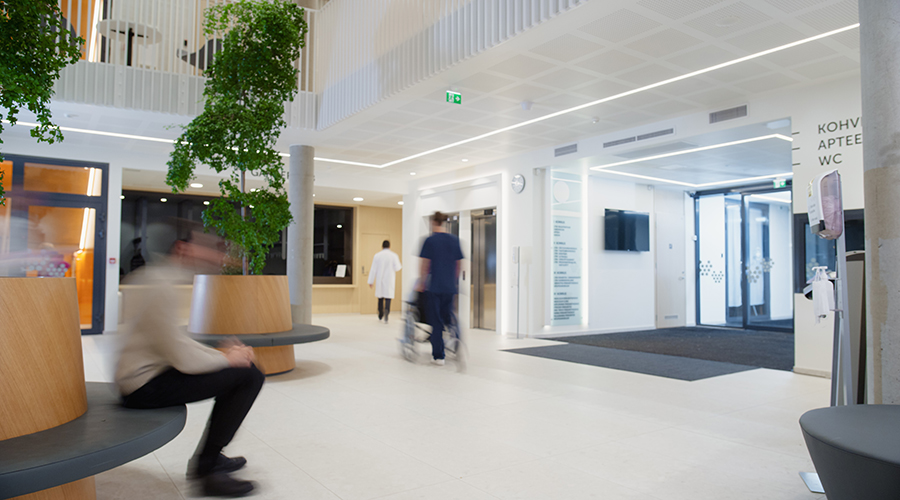 Prefabricated Wall Panels Accelerate UCF Lake Nona Medical Center Construction